As a supplier of Functional Backer Boards, I often receive inquiries from customers about the recyclability of our products. This is an important topic, not only because it aligns with the growing global focus on environmental sustainability but also because it can significantly impact our customers’ long – term operational costs and environmental footprints. In this blog, I’ll delve into the question: Is a Functional Backer Board recyclable? Functional Backer Board
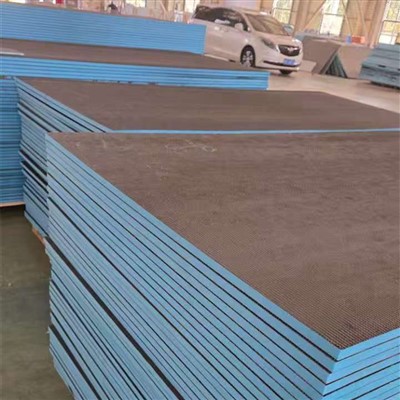
Understanding Functional Backer Boards
Before we discuss recyclability, it’s essential to understand what Functional Backer Boards are. These boards are engineered materials designed for a variety of applications, such as in construction for wall and floor underlayment, in the manufacturing of furniture as a support layer, and in some industrial settings for equipment protection. They are known for their strength, durability, and ability to provide a stable base for other materials.
The composition of Functional Backer Boards can vary widely depending on their intended use. Some may be made primarily of wood – based materials like plywood or oriented strand board (OSB), while others incorporate synthetic polymers, fiberglass, or a combination of different materials. For example, a backer board used in a wet area like a bathroom may have a water – resistant polymer coating to prevent moisture damage.
Factors Affecting Recyclability
Material Composition
The first and most crucial factor in determining the recyclability of a Functional Backer Board is its material composition. If the board is made of a single, easily recyclable material, such as pure wood or a common plastic, the recycling process is relatively straightforward. For instance, wood – based backer boards can often be chipped and used as raw material for new wood products, such as particleboard or pulp for paper production.
However, when the board contains a mix of materials, recycling becomes more challenging. For example, if a backer board has a plastic coating on a wood substrate, the two materials need to be separated before recycling. This separation process can be complex and costly, and in some cases, it may not be economically viable.
Contamination
Another significant factor is contamination. If the backer board has been exposed to chemicals, paints, or other contaminants during its use, it can render the board non – recyclable. For example, a backer board used in a chemical processing plant may be contaminated with hazardous substances, making it difficult to recycle without specialized treatment facilities. Even in less extreme cases, such as a board with a thick layer of paint, the paint can interfere with the recycling process of the underlying material.
Recycling Infrastructure
The availability of recycling infrastructure also plays a vital role. In some regions, there may be well – established facilities for recycling specific materials used in backer boards. For example, areas with a large wood – processing industry may have efficient systems for recycling wood – based backer boards. However, in other areas, especially those with limited recycling capabilities, the boards may end up in landfills even if they are technically recyclable.
Recycling Processes for Different Types of Functional Backer Boards
Wood – Based Backer Boards
Wood – based backer boards are among the most common types, and they generally have a relatively high potential for recycling. The recycling process typically begins with the collection of used boards. These boards are then transported to a recycling facility, where they are sorted to remove any non – wood materials, such as nails or plastic coatings.
Once sorted, the wood is chipped into small pieces. These chips can be used in various ways. They can be used as fuel for biomass energy production, or they can be further processed into new wood products. For example, the chips can be combined with adhesives to make particleboard or medium – density fiberboard (MDF).
Plastic – Based Backer Boards
Plastic – based backer boards also have recycling potential, but the process is more complex. The first step is to identify the type of plastic used in the board. Different plastics have different melting points and recycling requirements. Once the plastic type is determined, the boards are shredded into small pieces.
The shredded plastic is then melted and re – formed into new plastic products. However, the quality of the recycled plastic may be lower than that of virgin plastic, and it may be used for less demanding applications, such as plastic lumber or non – structural components.
Composite Backer Boards
Composite backer boards, which contain a combination of different materials, are the most challenging to recycle. As mentioned earlier, the materials need to be separated before recycling. This may involve mechanical processes, such as grinding and sieving, or chemical processes to dissolve certain materials.
In some cases, it may be more practical to reuse composite backer boards in their existing form. For example, if a board is still in good condition but no longer needed in its original application, it can be repurposed for a different project.
Benefits of Recycling Functional Backer Boards
Environmental Benefits
Recycling Functional Backer Boards has significant environmental benefits. By diverting these boards from landfills, we reduce the amount of waste that accumulates in landfills, which in turn helps to conserve landfill space. Additionally, recycling reduces the demand for virgin materials. For wood – based boards, this means less deforestation, and for plastic – based boards, it reduces the need for petroleum – based raw materials.
Economic Benefits
There are also economic benefits to recycling. For suppliers like me, promoting the recyclability of our products can enhance our brand image and make us more attractive to environmentally – conscious customers. For customers, using recyclable backer boards can potentially reduce their waste management costs. Instead of paying to dispose of used boards in landfills, they can sell or donate the boards for recycling.
Challenges in Recycling Functional Backer Boards
Cost
One of the main challenges in recycling Functional Backer Boards is the cost. The separation, processing, and transportation of used boards can be expensive, especially for composite boards. In some cases, the cost of recycling may be higher than the value of the recycled materials, making it difficult for recycling facilities to operate profitably.
Lack of Awareness
Another challenge is the lack of awareness among consumers and businesses. Many people are not aware that Functional Backer Boards can be recycled, or they are unsure how to recycle them. This lack of awareness can lead to boards being disposed of in landfills even when recycling options are available.
Our Company’s Approach to Recycling
As a supplier of Functional Backer Boards, we are committed to promoting the recyclability of our products. We are constantly researching and developing new materials and manufacturing processes that make our boards more easily recyclable. For example, we are exploring ways to use more single – material designs and to reduce the use of non – recyclable coatings.
We also provide information to our customers about the recyclability of our products and offer guidance on how to recycle them. We encourage our customers to work with local recycling facilities and to explore opportunities for reusing our boards in other applications.
Conclusion
In conclusion, the recyclability of a Functional Backer Board depends on several factors, including its material composition, contamination, and the availability of recycling infrastructure. While some types of backer boards are relatively easy to recycle, others, especially composite boards, present significant challenges.

However, the benefits of recycling, both environmental and economic, are substantial. As a supplier, we are taking steps to make our products more recyclable and to educate our customers about recycling options.
Waterproof Backer Board If you are interested in learning more about our Functional Backer Boards or discussing potential procurement opportunities, please reach out to us. We are eager to have in – depth discussions with you about how our products can meet your needs while also contributing to a more sustainable future.
References
- "Recycling of Wood – Based Materials in the Construction Industry," Journal of Sustainable Construction Materials and Technologies
- "Plastic Recycling: A Review of Current Technologies and Future Trends," Polymer Science and Engineering Journal
- "Composite Material Recycling: Challenges and Solutions," International Journal of Recycling and Waste Management
Yiheng Holdings Co., Ltd.
As one of the leading functional backer board manufacturers and suppliers in China, we warmly welcome you to buy advanced functional backer board made in China here from our factory. All customized products are with high quality and competitive price. Also, pricelist is available.
Address: Zhongze Village, Baohai Town, Tiantai County, Taizhou City, Zhejiang Province
E-mail: 906915688@qq.com
WebSite: https://www.yhhold.com/
