In the dynamic landscape of modern electronics, the protection of electrical enclosures from Electromagnetic Interference (EMI) and Radio Frequency Interference (RFI) is not just a technical necessity but a critical factor in ensuring the reliable operation of electronic systems. As a seasoned Electrical Enclosure supplier, I’ve witnessed firsthand the detrimental effects of EMI/RFI on equipment performance, signal integrity, and overall system functionality. In this blog, I’ll share insights and practical strategies to safeguard electrical enclosures against these disruptive forces, drawing on my years of experience in the industry. Electrical Enclosure

Understanding EMI/RFI and Their Impact
Before delving into protective measures, it’s essential to understand what EMI and RFI are and how they can affect electrical enclosures. EMI refers to the disturbance that affects an electrical circuit due to either electromagnetic induction or electromagnetic radiation emitted from an external source. RFI, on the other hand, is a specific type of EMI that occurs within the radio frequency spectrum, typically between 10 kHz and 300 GHz.
The sources of EMI/RFI are diverse and can range from natural phenomena like solar flares to man – made sources such as power lines, electrical motors, and wireless communication devices. When these interfering signals penetrate an electrical enclosure, they can cause a variety of problems, including:
- Malfunction of electronic components: EMI/RFI can disrupt the normal operation of sensitive electronic circuits, leading to errors, glitches, or complete system failures.
- Data corruption: In data – processing systems, interference can corrupt data signals, resulting in inaccurate information and potentially costly consequences.
- Signal degradation: Radio frequency interference can degrade the quality of wireless signals, reducing the range and reliability of communication systems.
Design Considerations for EMI/RFI Protection
The design of an electrical enclosure plays a crucial role in its ability to protect against EMI/RFI. Here are some key design considerations:
Material Selection
The choice of enclosure material is fundamental to EMI/RFI protection. Metals such as steel, aluminum, and copper are excellent conductors and can effectively shield electromagnetic fields. Steel enclosures, for example, offer high strength and good magnetic shielding properties, making them suitable for applications where magnetic interference is a concern. Aluminum enclosures are lightweight and have good electrical conductivity, providing effective shielding against radio frequency interference.
Sealing and Gasketing
Proper sealing is essential to prevent EMI/RFI from entering the enclosure through gaps or openings. Gaskets made of conductive materials, such as conductive rubber or metal – filled elastomers, can be used to create a continuous electrical path around the enclosure seams. These gaskets not only provide a physical barrier but also help to maintain the electrical continuity of the enclosure, ensuring effective shielding.
Ventilation Design
While ventilation is necessary to prevent overheating of electronic components inside the enclosure, it can also pose a risk of EMI/RFI leakage. To mitigate this risk, ventilation openings should be carefully designed with EMI/RFI filters or shielded vents. These devices allow for the passage of air while blocking the entry of electromagnetic signals.
EMI/RFI Shielding Techniques
In addition to design considerations, there are several shielding techniques that can be employed to enhance the EMI/RFI protection of electrical enclosures.
Conductive Coatings
Conductive coatings can be applied to the interior or exterior of the enclosure to provide an additional layer of shielding. These coatings typically contain conductive particles, such as silver, copper, or nickel, which help to dissipate electromagnetic energy. Conductive coatings are particularly useful for enclosures made of non – conductive materials, such as plastics, as they can transform the enclosure into an effective shield.
Shielded Cables and Connectors
Cables and connectors are common paths for EMI/RFI to enter and exit an electrical enclosure. Shielded cables, which are surrounded by a conductive shield, can significantly reduce the amount of interference transmitted along the cable. Similarly, shielded connectors can help to block electromagnetic signals from entering the enclosure through the cable connections.
Faraday Cages
A Faraday cage is an enclosure made of conductive material that can block external electromagnetic fields. By placing the electrical equipment inside a Faraday cage, the equipment is protected from EMI/RFI. In practice, an electrical enclosure can be designed to function as a Faraday cage by ensuring proper grounding and a continuous conductive path around the enclosure.
Installation and Maintenance for Optimal Protection
Even with a well – designed enclosure and effective shielding techniques, proper installation and maintenance are crucial for optimal EMI/RFI protection.
Grounding
Grounding is essential for diverting the electromagnetic energy away from the enclosure and into the ground. The enclosure should be properly grounded to a low – impedance ground source to ensure effective shielding. Regular checks should be carried out to ensure that the grounding connection is intact and that there are no loose or corroded connections.
Regular Inspections
Periodic inspections of the enclosure can help to identify any potential issues that may compromise the EMI/RFI protection. This includes checking for damage to the enclosure, wear and tear of gaskets, and the integrity of the shielding materials. Any damaged components should be replaced promptly to maintain the effectiveness of the shielding.
Testing and Certification
To ensure that the electrical enclosure provides adequate EMI/RFI protection, it is important to conduct testing and obtain relevant certifications. EMI/RFI testing involves subjecting the enclosure to a range of electromagnetic signals and measuring the amount of interference that penetrates the enclosure. There are various international standards, such as the FCC (Federal Communications Commission) standards in the United States and the CE (Conformité Européene) standards in Europe, that specify the requirements for EMI/RFI protection.
By obtaining certification from recognized testing laboratories, you can demonstrate the quality and performance of your electrical enclosures and provide assurance to your customers that the enclosures meet the necessary standards.
Conclusion
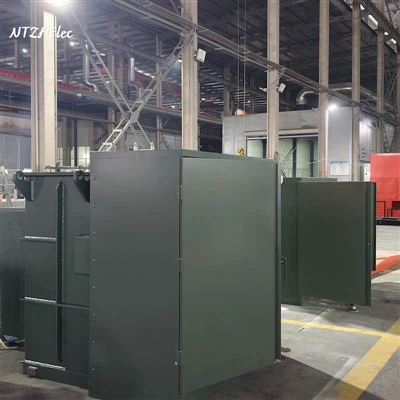
Protecting electrical enclosures from EMI/RFI is a multi – faceted challenge that requires careful consideration of design, shielding techniques, installation, and maintenance. As an Electrical Enclosure supplier, I am committed to providing high – quality enclosures that offer reliable EMI/RFI protection. Our enclosures are designed and manufactured with the latest technologies and materials to meet the diverse needs of our customers in different industries.
Pole Mounted Transformer Oil Tank If you are in the market for electrical enclosures that can effectively safeguard your electronic equipment from EMI/RFI, I encourage you to reach out to us. We have a team of experts who can provide you with customized solutions based on your specific requirements. Whether you need enclosures for industrial automation, telecommunications, or other applications, we have the expertise and resources to deliver the right products for you. Let’s work together to ensure the reliable operation of your electronic systems.
References
- "Electromagnetic Compatibility Engineering" by Henry W. Ott
- "EMI/RFI Shielding Handbook" by The Society of Plastics Engineers
- International Electrotechnical Commission (IEC) standards related to electromagnetic compatibility
- Federal Communications Commission (FCC) regulations on electromagnetic interference
Nantong Zhihe Electric Co., Ltd.
As one of the most professional prefabricated cabin enclosure manufacturers and suppliers in China, we’re featured by quality products and low price. Please rest assured to wholesale cheap prefabricated cabin enclosure made in China here from our factory. Customized orders are welcome.
Address: NO.202 Jianghai West Road, Hai’an Town, Hai’an City, Jiangsu Province
E-mail: colt.ntzh@gmail.com
WebSite: https://www.ntzhelectric.com/
