If you’ve ever messed with FPV drones, you know 130C LiPo batteries aren’t just random parts—they’re the lifeblood that keeps your quad screaming around trees, through gaps, and pulling those wild, last-minute maneuvers we all chase. As the go-to supplier for the 130C FPV LiPo Red Series, I get tons of DMs, texts, and even random airport security questions that boil down to one thing: can I actually ship these things without blowing up a postal truck? Spoiler: yeah, you can—but only if you stop winging it and actually follow the rules. Let’s break this down like we’re geeking out over a sick new build, not a boring regulatory manual. 130C FPV Lipo Red Series
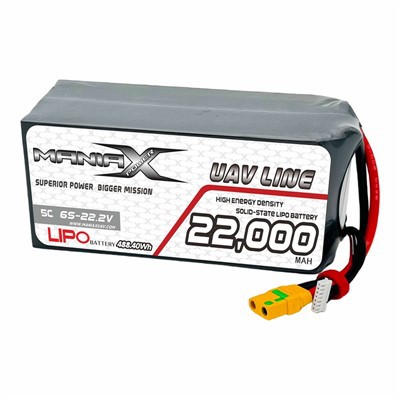
First off, let’s kill the biggest myth: 130C LiPos aren’t some ticking time bomb if you transport them right. The “C” rating here is burst discharge, right? That means they can dump 130x their rated capacity in amps for a few seconds—perfect for FPV power, but also what makes newbies panic. The Red Series is built for FPV, so we engineer ’em with extra safety checks: fire-resistant cell wraps, internal protection circuits that shut ’em down if they short, and rigorous overcharge/discharge testing. But safety starts the second you grab one, not when it’s on your shelf.
Let’s talk about what actually makes LiPos dangerous during transport: shorts. A tiny piece of metal (a loose screw, a keychain, a crumpled bit of foil) touching the positive and negative tabs is the #1 cause of LiPo fires. I’ve seen it—someone tosses a few Red Series batteries in a backpack with a quad frame, screws, and their phone, and boom—smoke in the parking lot. So step one: always cap those tabs. We include cheap, reusable plastic tab caps with every Red Series order, for exactly this reason. Use ’em. Don’t skip this. I don’t care if you’re in a rush to get to the field—this is non-negotiable.
Next up: packaging. Postal services (USPS, UPS, FedEx, whatever) have super specific rules for lithium ion batteries, and I’ve had too many new customers get their packages returned or delayed because they tried to wrap a battery in a plastic bag and call it a day. For the Red Series, here’s what we recommend (and what we actually use when shipping to our own customers): individual anti-static bags (the kind with the pink or silver coating) for each battery, then placing them in a rigid, non-conductive box—no styrofoam, no metal tins, nothing that can scratch the cell wrap and expose the foil inside. If you’re shipping multiple, don’t stack them on top of each other; separate ’em with a layer of cardboard or foam to stop tabs from rubbing together.
Wait, what about airport transport? I get this all the time—FPV bros flying to a race, panicking if their Red Series batteries will get confiscated. Here’s the TSA rule straight: spare LiPos (not installed in a device) have to go in your carry-on, not checked luggage. That’s because checked luggage holds get way too hot or cold, and if a battery does short, the crew can’t get to it fast. For the Red Series, since they’re 130C, we make sure each cell is clearly labeled with its capacity and voltage—no unmarked, mystery batteries. TSA agents are usually fine as long as you don’t have a duffel of 20+ (though even that’s technically allowed, it’s just going to get them squinting). I’ve flown with a 4-pack of Red Series batteries dozens of times, never had an issue—just keep ’em in your carry-on, tabs capped, and you’re good.
Now, let’s address the elephant in the room: what do the actual safety standards say? I’m not a chemist, but I’ve worked with these batteries every day for 5 years, and I can tell you that the Red Series meets UN 38.3 standards, which is the global benchmark for lithium battery transport safety. That means we put every batch through a series of tests: drop testing, thermal cycling, overcharging, short circuiting, all that stuff, to make sure they don’t catch fire during normal transport. We don’t cut corners on this—our lab’s been doing these tests since we launched the Red Series, and the failure rate has been less than 0.01% over the last two years. Compare that to, like, leaving a battery plugged into your charger overnight (that failure rate is way higher), and you’ll see how silly the panic is.
Wait, but what about if a battery is damaged mid-transport? Let’s say a package gets dropped, a cell gets punctured—what do you do? First off, that’s super rare if you package them right, but it’s good to have a plan. If the Red Series battery is punctured, swollen, or leaking, don’t touch it with your bare hands. Grab a fire extinguisher (Class D, if you can find it—water or regular A/C won’t work on LiPos), or if you’re outside, just let it burn in a safe, open area away from anything flammable. If you get a package with a damaged Red Series battery, reach out to us immediately—we’ll replace it, no questions asked, because we stand behind our safety.
I know a lot of FPV guys are skeptical when a supplier says “our batteries are safe”—like, are you just trying to sell more? Nah, man. I’m an FPV bro first. I fly quads just like you, I’ve burned through more batteries than I can count at races, and I’ve seen the stupid mistakes people make with LiPos. The Red Series is built for the abuse of FPV flying, and that same durability translates to transport. But that doesn’t mean you can be careless. Here’s the recap, no fluff: 1) Cap those tabs. 2) Use anti-static bags and rigid packaging. 3) Keep spare batteries in carry-on when flying. 4) Don’t ship more than 100Wh worth of batteries in one package (Red Series is usually 45-65Wh per cell, so that’s 1-2 cells, depending on capacity). Follow these rules, and you’ll have zero issues.

If you’re still nervous about transporting the Red Series, or you need bulk orders for a race team, your local FPV club, or whatever, hit me up. I don’t do salesy scripts, I just talk batteries with people who get what it’s like to chase that perfect lap. We can answer any other questions, send you free tab caps for your first order, or even walk you through packaging tips if you’re shipping to a friend. The Red Series is safe—you just have to treat it like the high-performance part it is, not a disposable toy. And hey, if you’re in the market for reliable, 130C LiPos that won’t give you headaches on transport or at the field, that’s what we’re here for. Reach out whenever.
60C Standard Hardcase Car Lipo References
- Federal Aviation Administration. (2023). Lithium Battery Transport Guidelines for Passengers and Carriers.
- United Nations. (2020). UN 38.3: Test Procedures for the Transport of Lithium Batteries.
- Transportation Security Administration. (2024). Spare Lithium Ion Batteries in Carry-On Luggage Policy.
- International Electrotechnical Commission. (2022). IEC 60086-4: Primary and Secondary Batteries – Part 4: Lithium Batteries for Portable Applications.
ManiaX Power Technology Co., Ltd.
ManiaX Power Technology Co., Ltd. is one of the most reliable 130c fpv lipo red series manufacturers and suppliers in China, also supports customized service. Please feel free to wholesale bulk durable 130c fpv lipo red series made in China here from our factory.
Address: Room 1508, 15/F, Two Grand tower, 625 Nathan Road, Kowloon, HongKong. P.R. China
E-mail: info@maniax-power.com
WebSite: https://www.maniaxpower.com/
