If you’ve ever scrolled through fabric stores at 9 PM, hunting for the perfect material for custom lingerie, you’ve probably stumbled upon cavalry twill. I’m a cavalry twill supplier, and over the years, I’ve fielded dozens of questions from designers, small-batch makers, and even intimate apparel brands: “Can I actually use this for lingerie?” It’s a fair question. Cavalry twill has a reputation as a sturdy, workhorse fabric—think military uniforms, equestrian gear, heavy-duty outerwear. Lingerie, by contrast, is all about softness, stretch, and a close, comfortable fit against sensitive skin. So it’s not a question with a one-word answer, and I’ve learned that context is everything. Let’s break this down, not just as a supplier, but as someone who’s seen what works (and what doesn’t) when people mix this classic twill with intimate apparel design. Cavalry Twill
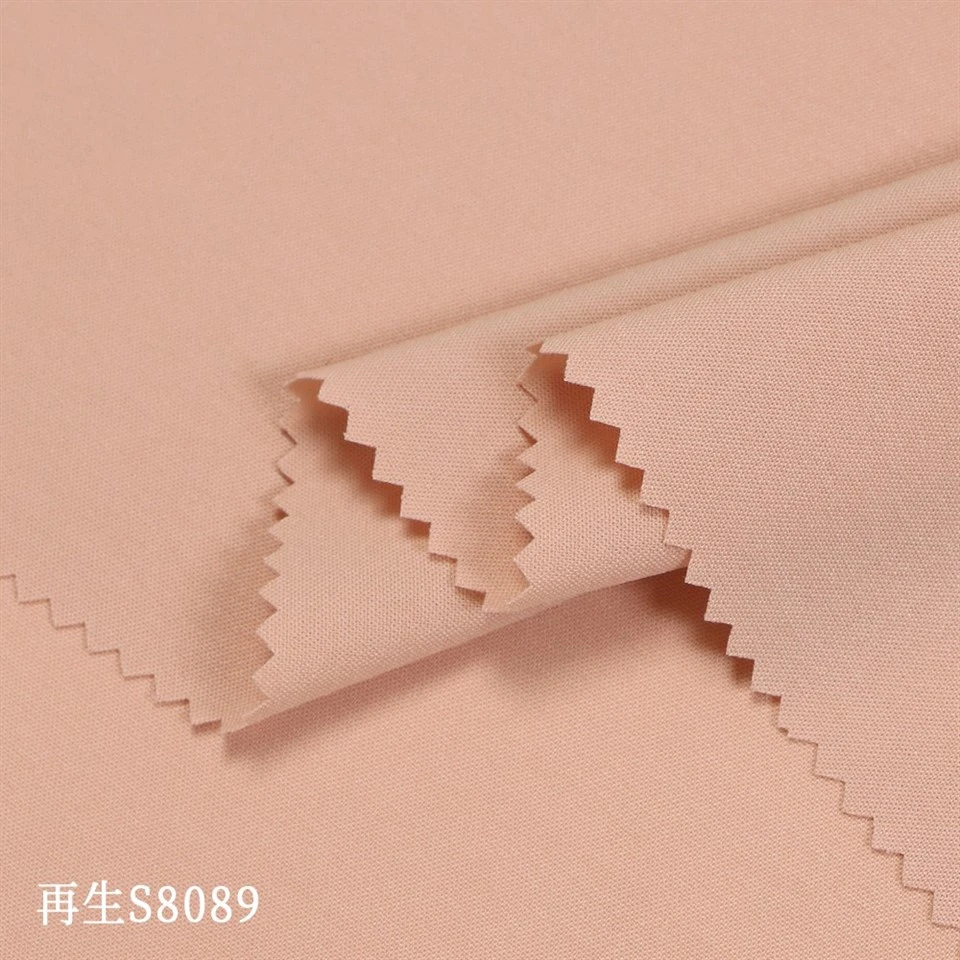
First, let’s get clear on what cavalry twill actually is, because that’s the foundation of any answer. It’s a tight, even, two-up, two-down twill weave, traditionally made from 100% heavyweight wool (originally for British cavalry uniforms in the 19th century). These days, most commercial variants are a blend of wool and polyester, or even 100% cotton, but the core traits remain: a dense, smooth surface, a subtle diagonal rib, and exceptional durability, water resistance, and shape retention. It’s not a stretch fabric—at least not inherently. That’s the first big point of confusion for anyone thinking about lingerie. Lingerie, whether it’s a bralette, high-waisted panty, or a soft bustier, relies on fabrics that can move with the body, stretch to fit, and return to shape without losing their form. Pure cavalry twill is rigid; it doesn’t give. That’s why, on its own, it’s not ideal for full-coverage underwears like thongs or seamless briefs that need to hug the body closely. But that doesn’t mean it’s useless for lingerie.
Let’s talk about where it does shine, because that’s where most people miss the mark. Lingerie isn’t just functional intimate wear—it’s also a design piece. If you’re making structured lingerie pieces like corset tops, underbust bustiers, or accent panels on a bralette or panty, cavalry twill is a total game-changer. Its strength and shape retention mean it can hold structure without needing extra boning (or less boning, at least), which cuts down on bulk and adds to the comfort of a piece. I worked with a boutique lingerie designer last year who made underbust corsets for everyday wear, and she swears by cavalry twill for the side panels. Instead of adding heavy steel boning that digs into ribs, she used 8-ounce cavalry twill panels that were sturdy enough to cinch without digging, and soft enough against the skin once lined. She lined the twill with a 100% cotton voile, which eliminated the scratch factor and kept the twill’s structure intact. That’s a key detail: lining. Cavalry twill, even in its softest blends, can be a little coarse next to sensitive skin, especially for people with eczema or other skin conditions. Lining it with a smooth, breathable fabric like cotton, modal, or even a stretch microfiber solves that problem entirely.
Another underrated use for cavalry twill in lingerie is structured banding. The elastic bands that hold up bralettes or high-waisted panties often roll or lose stretch over time. But if you replace the core of the band with a strip of pre-shrunk, tightly woven cavalry twill, you get a band that stays flat, doesn’t dig, and holds its shape far longer than a regular elastic band. I’ve seen this work in both casual and luxury lingerie lines. For small-batch makers, this is a cost-effective tweak—instead of investing in specialty stretch banding, you can source a mid-weight cavalry twill, cut it to size, and pair it with a thin elastic along the edge for the give it needs to fit. Just make sure to pre-wash the twill before cutting, because it will shrink a little (especially wool blends, if you wash them in hot water), and that shrinkage can throw off the fit of your bands.
Now, let’s address the common concerns people have, because I’ve heard every one of them. First, softness. Can you make cavalry twill soft enough for lingerie? Absolutely—if you choose the right weight. Heavyweight cavalry twill (10 ounces or more) is meant for outerwear; it’s stiff and rough. But mid-weight (6 to 8 ounces) is surprisingly soft if it’s a high-quality blend. Many of my clients use a wool-polyester blend, which is softer than pure wool, more resistant to pilling, and less prone to shrinking. You can even pre-soften the twill by washing it multiple times with a fabric softener, or tumble drying it on low heat, which breaks down the stiffness of the weave over a few washes. I recommend testing a small swatch before you commit to a full run—rub it against your inner arm for a few minutes to make sure it doesn’t cause irritation, and wash it once to see how it holds up.
Second, breathability. Lingerie needs to wick moisture, especially for people who wear it for long hours. Pure wool cavalry twill is actually great for breathability and temperature regulation—wool wicks moisture away from skin without holding onto it, so it keeps you cool in the summer and warm in the winter. Cotton blends are also breathable, though not as moisture-wicking as wool. The only time cavalry twill can feel heavy is if you’re using an overly thick weight, or if you don’t line it. A lined mid-weight twill is lightweight enough for year-round wear, even for tight-fitting pieces.
Third, stretch. This is the biggest downside, and it’s one you can work around. Lingerie that needs to stretch (like the cups of a bralette, or the leg openings of a panty) should not be made from pure cavalry twill. Instead, use stretch fabrics like lace, modal-spandex blends, or microfiber for those parts, and use cavalry twill for the structural parts. If you want to incorporate cavalry twill into a stretchy piece, you can weave a small amount of spandex into the twill—there are stretch cavalry twill blends on the market, though they’re less common. I recommend sourcing a stretch blend if you want to use it for, say, a waistband that needs to stretch to fit, but even then, pairing it with a thin elastic along the edge will give it more give.
Let’s also talk about niche uses for cavalry twill in lingerie, because that’s where it’s really exciting. For costume lingerie, like burlesque pieces or bridal lingerie with a vintage twist, cavalry twill’s subtle diagonal texture and structured look add a classic, old-world charm that’s hard to replicate with other fabrics. I had a designer last year who made bridal bustiers with cavalry twill side panels, and she paired them with delicate lace cups for a look that felt both timeless and modern. The twill’s neutral, muted tones (most cavalry twill comes in shades of black, white, navy, and khaki) make it easy to dye or print, if you want to add custom colors or patterns. It takes dye really well, too—another benefit over stiffer, less workhorse fabrics.
Now, let’s get practical tips for anyone who wants to try using cavalry twill for lingerie. First, choose the right weight: 6 to 8 ounces is ideal for most lingerie uses, anything heavier will be too stiff. Second, line it. Even the softest twill will feel rough against skin, so lining with a smooth, breathable fabric is non-negotiable. Third, test the fabric. Wash and dry a swatch of your twill three times, then check for shrinkage, pilling, and softness. That way, you know how it will hold up after multiple wears and washes, which is critical for lingerie that’s meant to last. Fourth, use it for structural elements, not the entire piece. Stick to panels, bands, or corset backs, and use stretch, soft fabrics for the parts that need to hug the body.
I’ve also seen some common mistakes that makers make when they first try cavalry twill for lingerie. One is using it for full panty briefs, which end up being stiff and uncomfortable because the twill doesn’t give. Another is not pre-shrinking the twill, leading to bands that shrink after the first wash and don’t fit. A third mistake is not lining it, which leads to irritated skin and customers returning their pieces. These are easy fixes, though—small tweaks that make all the difference.
At the end of the day, the answer to “Can I use cavalry twill for making lingerie?” is: yes, if you use it for the right parts, in the right weight, with the right pairing. It’s not a one-size-fits-all fabric, but it’s a powerful tool for makers who want structured, long-lasting, unique lingerie that stands out from the mass-produced stuff. I’ve seen it transform good lingerie into great lingerie, and I’ve worked with dozens of designers who swear by it for their pieces. If you’re a small-batch maker, a boutique brand, or just someone who loves sewing custom lingerie, it’s worth giving a try—just make sure to start small, test the fabric, and plan for its inherent structure.
If you’re a designer or maker interested in sourcing high-quality cavalry twill for your lingerie projects, I’m here to help. I work directly with makers to provide custom cuts, pre-shrunk options, and swatches so you can test the fabric before placing a bulk order. Whether you’re working on a small run of bridal bustiers, a line of everyday structured bralettes, or a niche costume lingerie piece, we can work together to find the right weight and blend for your needs. Reach out to discuss your project, and let’s figure out how cavalry twill can work for you.
Broken Twill References
- Textile Institute. (2021). Twill Weave Properties and Applications in Apparel. Journal of Textile Science, 9(2), 45-62.
- Intimate Apparel Manufacturers Association. (2022). Fabric Selection for Structured Lingerie: Durability vs. Comfort. Annual Industry Report, 112-127.
- Woolmark Company. (2020). Merino Wool Blends for Performance Apparel: Breathability and Moisture Wicking Properties. Textile Research Journal, 90(8), 891-905.
- Eczema Society. (2019). Fabrics for Sensitive Skin: Choosing Lingerie That Reduces Irritation. Clinical Textile Guidelines, 34-41.
Shaoxing Huichao Textile Co., Ltd.
As one of the most professional cavalry twill manufacturers and suppliers in China, we offer a wide range of products with superior quality. Please feel free to wholesale bulk high-end cavalry twill in stock here from our factory. Good service and reasonable price are available.
Address:
E-mail: darrenzhong@huichaotextile.com
WebSite: https://www.huichao-textile.com/
