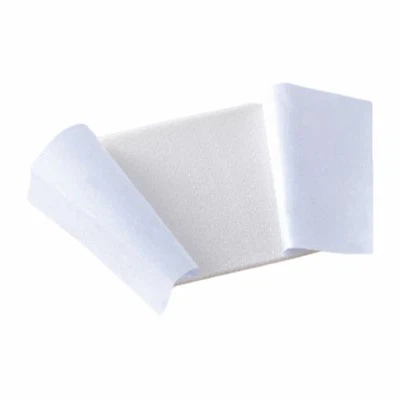
Medical silicone gel adhesives have emerged as a crucial component in various medical applications, and one area of significant interest is their potential use for prosthetic attachment. As a supplier of high – quality medical silicone gel adhesive, I have witnessed firsthand the growing demand for reliable solutions in the prosthetics field. In this blog, I will explore whether medical silicone gel adhesive can be effectively used for prosthetic attachment, delving into its properties, advantages, challenges, and real – world applications. Medical Silicone Gel Adhesive
Properties of Medical Silicone Gel Adhesive
Medical silicone gel adhesives are formulated with specific properties that make them suitable for medical use. They are biocompatible, which means they can come into contact with the human body without causing significant adverse reactions. This is a fundamental requirement for any material used in prosthetic attachment, as it ensures the safety and comfort of the user.
Silicone gel adhesives also offer excellent flexibility. They can conform to the irregular shapes of the residual limb and the prosthetic socket, providing a snug fit. This flexibility allows for natural movement and reduces the risk of pressure points that could lead to discomfort or skin irritation.
In addition, these adhesives have good adhesion properties. They can create a strong bond between the prosthetic device and the residual limb, preventing the prosthetic from slipping or moving during normal activities. The strength of the bond is crucial for the user’s mobility and confidence in using the prosthetic.
Advantages of Using Medical Silicone Gel Adhesive for Prosthetic Attachment
One of the primary advantages of using medical silicone gel adhesive for prosthetic attachment is the enhanced comfort it provides. Unlike some traditional attachment methods, such as straps or harnesses, silicone gel adhesives distribute pressure more evenly across the residual limb. This reduces the likelihood of skin abrasions, blisters, and other discomforts associated with poorly fitting prosthetics.
Another significant advantage is the improved stability. A well – adhered prosthetic is less likely to shift or come loose during movement, allowing the user to perform a wider range of activities with greater ease. This is particularly important for individuals who rely on their prosthetics for daily tasks, such as walking, running, or engaging in sports.
Medical silicone gel adhesives also offer a more discreet attachment solution. They are often transparent or skin – toned, making them less noticeable when the prosthetic is in use. This can enhance the user’s self – esteem and confidence, as they do not have to worry about the appearance of the attachment mechanism.
Challenges in Using Medical Silicone Gel Adhesive for Prosthetic Attachment
While medical silicone gel adhesives offer many benefits, there are also some challenges associated with their use for prosthetic attachment. One of the main challenges is the issue of skin compatibility. Although silicone gel adhesives are generally biocompatible, some individuals may still experience skin reactions, such as itching, redness, or rashes. These reactions can be caused by factors such as allergies to the adhesive components or poor skin hygiene.
Another challenge is the durability of the adhesive bond. Over time, the adhesive may lose its effectiveness due to factors such as sweating, friction, or exposure to moisture. This can lead to a weakened bond between the prosthetic and the residual limb, requiring frequent re – application or replacement of the adhesive.
Proper application of the adhesive is also crucial. Incorrect application can result in an uneven bond, air bubbles, or a weak attachment. This requires users to receive proper training on how to apply the adhesive correctly to ensure optimal performance.
Real – World Applications and Case Studies
In real – world scenarios, medical silicone gel adhesives have been successfully used for prosthetic attachment in many cases. For example, in the field of lower – limb prosthetics, these adhesives have enabled amputees to achieve a more natural gait and greater mobility. Users have reported increased comfort and stability, allowing them to engage in activities such as walking, cycling, and even participating in competitive sports.
In upper – limb prosthetics, silicone gel adhesives have also shown promising results. They provide a secure attachment for prosthetic hands and arms, enabling users to perform fine motor tasks with greater dexterity. Case studies have demonstrated that patients with silicone – attached prosthetics can regain a significant level of function and independence in their daily lives.
Future Outlook
The future of using medical silicone gel adhesive for prosthetic attachment looks promising. Ongoing research and development are focused on improving the properties of these adhesives, such as enhancing their skin compatibility, increasing the durability of the bond, and simplifying the application process.
New formulations are being developed to address the specific needs of different types of prosthetics and users. For example, adhesives that are more resistant to moisture and sweat are being explored to improve the performance of prosthetics in wet environments or during strenuous activities.
Conclusion
In conclusion, medical silicone gel adhesive can be effectively used for prosthetic attachment. Its biocompatibility, flexibility, and adhesion properties make it a suitable option for providing a comfortable, stable, and discreet attachment solution. However, challenges such as skin compatibility and adhesive durability need to be addressed to ensure optimal performance.
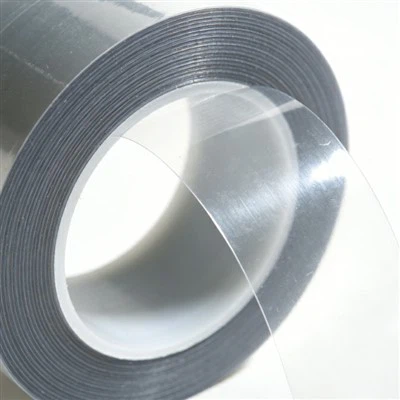
Medical Foam Adhesive Tape As a supplier of medical silicone gel adhesive, I am committed to providing high – quality products that meet the needs of the prosthetics industry. Our adhesives are designed to offer the best balance of comfort, performance, and reliability. If you are in the market for medical silicone gel adhesive for prosthetic attachment, I encourage you to reach out to us for a consultation. We can provide you with detailed information about our products, answer your questions, and discuss how our solutions can meet your specific requirements. Let’s work together to improve the lives of prosthetic users.
References
- "Biocompatibility of Silicone – Based Materials in Medical Applications" by Journal of Biomedical Materials Research
- "Prosthetic Attachment Technologies: Current Trends and Future Directions" by Prosthetics and Orthotics International
- "The Role of Adhesives in Prosthetic Design and Function" by Journal of Rehabilitation Research and Development
Shenzhen Omori Biological Technology Co., Ltd.
We’re well-known as one of the leading medical silicone gel adhesive manufacturers and suppliers in China. We warmly welcome you to wholesale high quality medical silicone gel adhesive made in China here from our factory. If you have any enquiry about customized service, please feel free to email us.
Address: Floor4, No43, Langkou Industrial park, Dalang Street, Longhua District, Shenzhen City, Guangdong Province, China
E-mail: wya@omorimed.com
WebSite: https://www.omorimed.com/
