In the metalworking industry, Polish – shearing machines are widely recognized for their ability to cut and finish metal sheets with precision. As a supplier of Polish – shearing machines, I have had the privilege of witnessing firsthand the benefits these machines bring to various manufacturing processes. However, like any piece of industrial equipment, Polish – shearing machines are not without their disadvantages. In this blog, I will delve into some of the drawbacks associated with these machines, providing a balanced view for potential buyers. Polish-shearing Machine
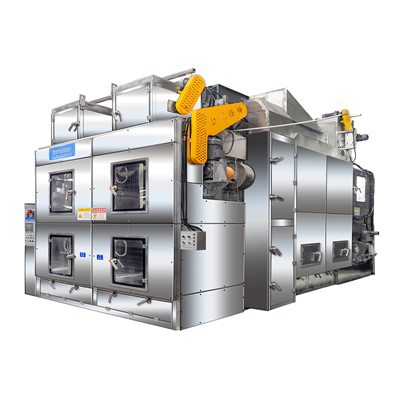
High Initial Investment
One of the most significant disadvantages of Polish – shearing machines is the high initial investment required. These machines are complex pieces of equipment that incorporate advanced technology and high – quality materials to ensure accurate and efficient cutting. The cost of purchasing a Polish – shearing machine can be substantial, especially for small and medium – sized enterprises (SMEs). In addition to the purchase price, there are also costs associated with installation, training, and commissioning. For example, a high – end Polish – shearing machine with advanced features such as CNC control and automatic feeding systems can cost upwards of tens of thousands of dollars. This high upfront cost can be a major barrier for businesses with limited capital, preventing them from investing in the latest technology.
Maintenance and Repair Costs
Polish – shearing machines require regular maintenance to ensure optimal performance and longevity. The cutting blades, in particular, need to be sharpened or replaced regularly to maintain the quality of the cut. Over time, the mechanical components of the machine, such as the gears, bearings, and hydraulic systems, may also wear out and require replacement. The cost of maintenance and repair can be significant, especially if the machine breaks down unexpectedly. Moreover, finding qualified technicians to perform the maintenance and repair work can be challenging, especially in regions where there is a shortage of skilled labor. This can lead to longer downtime and increased costs for the business.
Noise and Vibration
Another disadvantage of Polish – shearing machines is the noise and vibration they generate during operation. The high – speed cutting process produces a significant amount of noise, which can be a nuisance to workers and may even cause hearing damage if proper safety measures are not taken. In addition, the vibration generated by the machine can cause discomfort to operators and may also affect the accuracy of the cutting process. To mitigate these issues, businesses need to invest in noise – reducing enclosures and vibration – damping equipment, which adds to the overall cost of the machine.
Limited Cutting Thickness and Width
Polish – shearing machines have limitations in terms of the thickness and width of the metal sheets they can cut. While some high – end machines can handle relatively thick and wide sheets, most standard machines are designed for cutting thinner and narrower sheets. For example, a typical Polish – shearing machine may be able to cut sheets with a maximum thickness of 6 – 10 mm and a width of up to 2 – 3 meters. If a business needs to cut thicker or wider sheets, they may need to invest in a more expensive and specialized machine. This limitation can be a drawback for businesses that deal with a wide range of metal sheet sizes.
Safety Risks
Working with Polish – shearing machines poses certain safety risks. The sharp cutting blades can cause serious injuries if proper safety precautions are not taken. Operators need to be trained on how to operate the machine safely and must wear appropriate personal protective equipment (PPE), such as safety glasses, gloves, and ear protection. In addition, the machine should be equipped with safety guards and emergency stop buttons to prevent accidents. However, despite these safety measures, accidents can still occur, especially if the machine is not maintained properly or if operators do not follow the safety procedures.
Dependence on Skilled Operators
Polish – shearing machines require skilled operators to operate them effectively. These machines are complex and require a certain level of technical knowledge and experience to set up and operate correctly. Training operators to use the machine can be time – consuming and expensive, especially for businesses that need to train multiple operators. In addition, if a skilled operator leaves the company, it can be difficult to find a replacement with the same level of expertise. This dependence on skilled operators can be a challenge for businesses, especially in industries where there is a shortage of skilled labor.
Environmental Impact
The operation of Polish – shearing machines can have an environmental impact. The cutting process generates metal shavings and dust, which can be a health hazard if not properly managed. In addition, the hydraulic systems used in some machines may leak hydraulic fluid, which can contaminate the environment. To minimize the environmental impact, businesses need to implement proper waste management and pollution control measures. This can add to the overall cost of operating the machine.
Compatibility with Different Materials
While Polish – shearing machines are designed to cut a variety of metals, they may not be suitable for all types of materials. Some materials, such as high – strength alloys and exotic metals, may require specialized cutting techniques and equipment. In addition, the surface finish of the cut may vary depending on the material being cut. For example, cutting stainless steel may require a different cutting speed and blade type compared to cutting mild steel. This can limit the versatility of the machine and may require businesses to invest in additional equipment to handle different materials.
Technological Obsolescence

The field of metalworking is constantly evolving, and new technologies are being developed all the time. Polish – shearing machines that were state – of – the – art a few years ago may become obsolete relatively quickly as new and more advanced machines are introduced to the market. This can be a problem for businesses that have invested a significant amount of money in a Polish – shearing machine, as they may need to upgrade or replace the machine sooner than expected to stay competitive.
Dehydration Despite these disadvantages, Polish – shearing machines still offer many benefits, such as high – precision cutting, efficiency, and versatility. However, it is important for businesses to carefully consider these drawbacks before making a purchase decision. If you are in the market for a Polish – shearing machine and have questions about how to mitigate these disadvantages or how to choose the right machine for your needs, I encourage you to contact me for a consultation. I am happy to share my expertise and help you make an informed decision.
References
- "Metal Cutting Handbook", Industrial Press Inc.
- "Manufacturing Engineering and Technology", S. Kalpakjian and S. Schmid
Jiangsu Feng Te Technology Co., Ltd.
We’re well-known as one of the leading polish-shearing machine manufacturers in China. With a professional production team, we are able to meet the needs of the majority of our customers. Please rest assured to buy discount polish-shearing machine for sale here from our factory.
Address: No. 4 Zhanghong Road, Siying Industrial Park, Lianyungang City, Jiangsu Province, China
E-mail: frentejenny@foxmail.com
WebSite: https://www.jsfrente.net/
