Hey there! I’m a supplier of PVC film, and I often get asked about the safety standards for PVC film used in food packaging. So, I thought I’d take a few minutes to chat about it and clear up any confusion. PVC Film
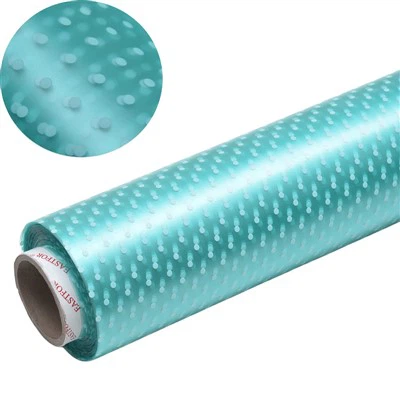
First off, let’s talk a bit about PVC film. PVC, or polyvinyl chloride, is a type of plastic that’s widely used in all sorts of applications, including food packaging. It’s got a lot going for it – it’s flexible, durable, and can be made transparent, which is great for showing off the food inside. But, when it comes to food packaging, safety is the name of the game.
The safety of PVC film for food packaging depends on a bunch of factors. One of the most important is the additives used in the film. PVC itself isn’t the problem, but some of the additives that are sometimes added to it can be a concern. For example, phthalates are a group of chemicals that are often used as plasticizers in PVC to make it more flexible. However, some phthalates have been linked to health issues, like hormone disruption, especially in kids and pregnant women.
That’s why there are strict regulations in place to limit the use of certain additives in PVC film for food packaging. In the United States, the Food and Drug Administration (FDA) is in charge of setting these safety standards. The FDA has approved certain types of PVC film and additives for food contact, and manufacturers have to follow these rules to make sure their products are safe.
In Europe, the European Food Safety Authority (EFSA) plays a similar role. They’ve also set out specific requirements for PVC film used in food packaging. For instance, they’ve restricted the use of certain phthalates and have set limits on the amount of other potentially harmful substances that can be present in the film.
Another important aspect of safety is migration. Migration refers to the process where substances from the packaging material can move into the food. This can happen over time, especially if the food is stored at high temperatures or for a long period. So, the safety standards also include limits on the amount of substances that can migrate from the PVC film into the food.
The testing methods for migration are pretty sophisticated. Manufacturers usually have to test their PVC film to make sure it meets the migration limits. They’ll use special equipment to measure the amount of substances that move from the film into a food simulant, which is a liquid that mimics the properties of real food. If the migration levels are too high, the film doesn’t meet the safety standards and can’t be used for food packaging.
Now, at our company, we take these safety standards very seriously. We work closely with our suppliers to make sure that the raw materials we use in our PVC film are of the highest quality and meet all the regulatory requirements. We also have our own in – house quality control team that conducts regular checks and tests on our products.
We use only FDA – approved and EFSA – compliant additives in our PVC film. This means that our customers can be confident that our film is safe to use for food packaging. We understand that when it comes to food, there’s no room for error, and we’re committed to providing only the safest products.
In addition to safety, we also focus on the performance of our PVC film. We know that food manufacturers need a film that not only keeps their products safe but also provides good protection against moisture, oxygen, and other environmental factors. Our PVC film is designed to have excellent barrier properties, which helps to extend the shelf – life of the food and keep it fresh.
It’s also important to mention that proper handling and storage of the PVC film can also affect its safety. Food manufacturers should follow the recommended storage conditions, like keeping the film in a cool, dry place away from direct sunlight. And when it comes to using the film, they should make sure to follow the correct procedures to avoid any contamination.
So, if you’re in the market for PVC film for food packaging, you don’t have to worry about safety when you choose our products. We’ve got you covered. Our PVC film meets all the necessary safety standards, and we’re constantly working on improving our products to make them even better.
If you’ve got any questions about our PVC film, or if you’re interested in discussing a potential purchase, don’t hesitate to reach out. We’re always happy to chat with you about your specific needs and how our products can fit into your food packaging operation. Whether you’re a small – scale food producer or a large – scale manufacturer, we’re here to help you find the best PVC film solution for your business.
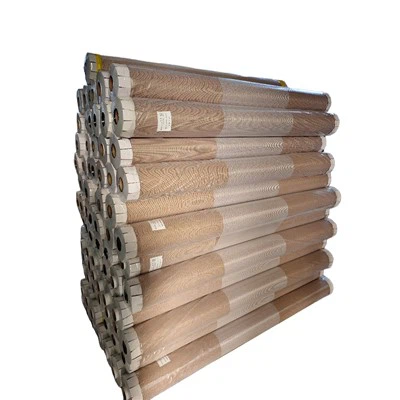
Let’s start a conversation and see how we can work together to make your food packaging safe, effective, and attractive. Get in touch with us today and let’s get the ball rolling!
PVC Printing Film References
- U.S. Food and Drug Administration (FDA). Regulations on food contact materials.
- European Food Safety Authority (EFSA). Guidelines for PVC film in food packaging.
Nantong Dahe Composite New Material Technology Co., Ltd.
We’re well-known as one of the leading PVC film manufacturers and suppliers in China, specialized in providing high quality customized products to global clients. Please feel free to wholesale cheap PVC film in stock here from our factory. Contact us for quotation and free sample.
Address: South Side of Pinghai Highway, Pinghe Village, Dongshe Town, Tongzhou District, Nantong City, Jiangsu Province, China
E-mail: nantongdahe@outlook.com
WebSite: https://www.cndahetech.com/
