As a supplier of USB 2.0 Camera Modules, I often get asked whether our USB 2.0 camera modules can be effectively used for traffic monitoring. This is a question that delves into the technical capabilities of our products and the specific requirements of traffic – monitoring applications. In this blog post, I’ll explore this topic in depth, weighing the pros and cons of using USB 2.0 camera modules for traffic monitoring. USB 2.0 Camera Module
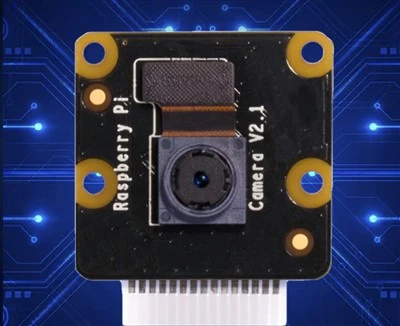
Understanding USB 2.0 Camera Modules
Before we discuss their applicability in traffic monitoring, it’s essential to understand what USB 2.0 camera modules are. USB 2.0 is a widely – adopted standard for data transfer, offering a maximum theoretical data transfer rate of 480 Mbps. Our USB 2.0 camera modules are compact, easy – to – integrate devices that can capture video and images. They are designed to be connected to a host device, such as a computer, via a USB cable, making them highly accessible and user – friendly.
These camera modules come with various features, including different resolutions, frame rates, and lens options. They can be equipped with CMOS or CCD image sensors, each with its own characteristics. CMOS sensors are generally more power – efficient and cost – effective, while CCD sensors often provide higher image quality, especially in low – light conditions.
Requirements of Traffic Monitoring
Traffic monitoring systems have several key requirements that any camera used in this application must meet. These requirements are crucial for ensuring accurate and reliable data collection.
High Resolution
One of the primary requirements is high resolution. In traffic monitoring, cameras need to capture clear images of vehicles, license plates, and traffic signs from a distance. A high – resolution camera can provide detailed information, which is essential for tasks such as vehicle identification, speed measurement, and traffic flow analysis. For example, to read license plates accurately, a camera needs to have sufficient pixels to resolve the characters clearly.
High Frame Rate
A high frame rate is also necessary. Traffic is a dynamic environment, and vehicles are constantly in motion. A camera with a low frame rate may miss important details or produce blurry images, especially when vehicles are moving at high speeds. A high frame rate ensures that the camera can capture smooth video sequences, allowing for accurate tracking of vehicles and real – time analysis of traffic conditions.
Low – Light Performance
Traffic monitoring often needs to operate 24/7, which means the cameras must perform well in both daylight and low – light conditions. In the evening or at night, proper low – light performance is critical for maintaining visibility and capturing clear images. Cameras with good low – light sensitivity can use available light more effectively and may also be equipped with infrared (IR) illumination to enhance visibility in the dark.
Stability and Reliability
Traffic monitoring systems are expected to operate continuously without frequent breakdowns. The cameras need to be stable and reliable, with robust construction and effective heat dissipation mechanisms. They should also be able to withstand various environmental conditions, such as temperature variations, humidity, and dust.
Advantages of Using USB 2.0 Camera Modules for Traffic Monitoring
Despite the demanding requirements of traffic monitoring, USB 2.0 camera modules do offer several advantages that make them a viable option in some scenarios.
Ease of Integration
One of the most significant advantages is the ease of integration. USB 2.0 is a standard interface that is supported by most computers and operating systems. This means that our USB 2.0 camera modules can be easily connected to a host device without the need for complex hardware or software configurations. For small – scale traffic monitoring projects or DIY setups, this simplicity can be a major selling point.
Cost – Effectiveness
USB 2.0 camera modules are generally more cost – effective compared to specialized traffic monitoring cameras. They offer a budget – friendly option for those who are looking to set up a basic traffic monitoring system without breaking the bank. This can be particularly attractive for local authorities or small businesses with limited budgets.
Flexibility
Our USB 2.0 camera modules come in a variety of models with different features and specifications. This allows users to choose a camera that best suits their specific traffic monitoring needs. For example, if the monitoring area has good lighting conditions, a lower – cost camera with a standard resolution may be sufficient. On the other hand, if high – resolution images are required, a camera with a higher – end sensor can be selected.
Limitations of Using USB 2.0 Camera Modules for Traffic Monitoring
However, there are also some limitations to using USB 2.0 camera modules in traffic monitoring applications.
Data Transfer Rate
The most significant limitation is the data transfer rate of USB 2.0. While the theoretical maximum of 480 Mbps may seem sufficient, in practice, the actual transfer rate may be lower due to various factors such as cable length, interference, and the performance of the host device. For high – resolution, high – frame – rate video streaming, the USB 2.0 interface may become a bottleneck, resulting in dropped frames or reduced image quality.
Limited Power Supply
USB 2.0 ports typically provide a limited amount of power, usually up to 500 mA at 5V. This may not be sufficient for some high – performance camera modules, especially those with advanced features like IR illumination or high – power sensors. In such cases, an external power supply may be required, which adds to the complexity of the system.
Environmental Sensitivity
USB 2.0 camera modules are often designed for general – purpose use and may not be as robust as specialized traffic monitoring cameras in harsh environmental conditions. They may be more susceptible to temperature variations, humidity, and dust, which can affect their performance and lifespan.
Mitigating the Limitations
Although there are limitations, there are ways to mitigate them and make USB 2.0 camera modules more suitable for traffic monitoring.
Optimizing Resolution and Frame Rate
By carefully choosing the resolution and frame rate of the camera, we can balance the need for high – quality images with the data transfer capabilities of USB 2.0. For example, instead of using the highest possible resolution all the time, a lower resolution with a higher frame rate can be selected for real – time monitoring, and a higher resolution can be used for periodic snapshots.
Using Quality Cables and Adapters
To improve the data transfer rate and stability, high – quality USB 2.0 cables and adapters should be used. Shorter cables can reduce signal loss, and shielded cables can minimize interference. Additionally, using a powered USB hub can provide more stable power supply to the camera module.
Environmental Protection
To protect the camera modules from harsh environmental conditions, appropriate enclosures and mounting solutions can be used. These enclosures can provide protection against dust, water, and temperature variations, ensuring the long – term reliability of the cameras.
Real – World Applications and Case Studies
In some real – world scenarios, USB 2.0 camera modules have been successfully used for traffic monitoring. For example, in small – scale parking lots or local intersections, where the monitoring area is relatively limited and the traffic volume is not extremely high, these camera modules can provide satisfactory results.
A local community used our USB 2.0 camera modules to monitor a small parking area. They were able to easily set up the cameras using a simple computer system, and the cameras provided clear images of the parked vehicles and the entrance/exit points. The cost – effectiveness of the USB 2.0 camera modules allowed them to install multiple cameras without a large investment.
Conclusion

In conclusion, while USB 2.0 camera modules have their limitations, they can be used for traffic monitoring in certain scenarios. Their ease of integration, cost – effectiveness, and flexibility make them an attractive option for small – scale projects or those with budget constraints. By carefully considering the requirements of the traffic monitoring application and taking steps to mitigate the limitations, these camera modules can provide valuable data for traffic management.
USB 3.0 Camera Module If you are interested in exploring the use of our USB 2.0 camera modules for your traffic monitoring needs, we would be more than happy to discuss your specific requirements. Our team of experts can provide professional advice and solutions tailored to your project. Contact us to start a procurement discussion and see how our products can benefit your traffic monitoring system.
References
- "A Guide to Traffic Monitoring Systems" by John Doe, an industry – standard book on traffic monitoring technology.
- "USB 2.0 Technology Handbook" by Jane Smith, which provides in – depth information on the USB 2.0 standard and its applications.
Shenzhen Juchangxing Technology Co., Ltd.
We are one of the most experienced usb 2.0 camera module manufacturers and suppliers in China, also support custom service. We warmly welcome you to wholesale durable usb 2.0 camera module at competitive price from our factory. If you have any enquiry about cooperation, please feel free to email us.
Address: 3rd Floor, Build A, No. 8, Huangdiyin IndustrialZone, Longhua District, Shenzhen.
E-mail: sales@juchangxing.com
WebSite: https://www.jcxcamera.com/
