Hey there! As a supplier of horizontal autoclaves, I often get asked about the best way to store these machines when they’re not in use. It’s a crucial question because proper storage not only extends the lifespan of your autoclave but also ensures it’s in top – notch condition when you need to fire it up again. Horizontal Autoclave
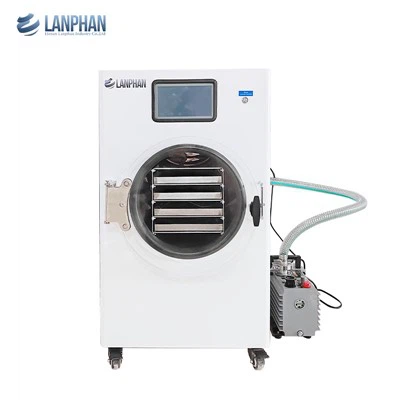
First off, let’s talk about why storage matters. Horizontal autoclaves are complex pieces of equipment. They’re used to sterilize all sorts of stuff in medical, research, and industrial settings. If you don’t store them correctly, you could end up with rust, electrical problems, or damage to the internal components. And that’s a big headache, not to mention the cost of repairs or replacement.
Pre – storage Preparation
Before you even think about stashing your autoclave away, there are some important steps to take.
Cleaning
The first thing you gotta do is give it a thorough clean. Start by emptying out any remaining water from the chamber. You don’t want that sitting there and causing corrosion. Use a mild, non – abrasive detergent and a soft cloth to wipe down the interior and exterior of the autoclave. Pay special attention to the door seals, as they can trap dirt and grime. After cleaning, rinse the surfaces with clean water and dry them completely. You can use a clean, dry towel or let it air – dry.
Inspection
Once it’s clean, do a quick inspection. Check for any signs of wear and tear, like cracks in the chamber, loose wires, or damaged valves. If you spot any issues, it’s best to get them fixed before storage. This will prevent the problems from getting worse over time. Also, make sure to check the calibration of the autoclave. If it’s off, you might want to have it recalibrated by a professional. This ensures that it’ll work accurately when you start using it again.
Lubrication
Some components of the autoclave, like the hinges and moving parts, may need lubrication. Use a lubricant recommended by the manufacturer. Apply a small amount to the appropriate areas and make sure to wipe off any excess. This will keep the parts moving smoothly and prevent them from seizing up during storage.
Choosing the Right Storage Location
Now that your autoclave is all prepped, it’s time to find the perfect spot to store it.
Temperature and Humidity
The storage area should have a stable temperature and humidity level. Extreme temperatures can cause damage to the autoclave’s components. For most horizontal autoclaves, a temperature range between 5°C and 35°C (41°F and 95°F) is ideal. High humidity can lead to rust and corrosion, so try to keep the relative humidity below 70%. If you live in a particularly humid area, you might want to use a dehumidifier in the storage space.
Ventilation
Good ventilation is also crucial. Storing the autoclave in a poorly ventilated area can allow for the buildup of moisture and harmful gases. Make sure there’s enough air circulation around the autoclave. This can help prevent mildew and other issues.
Protection from Physical Damage
The storage location should be free from any potential sources of physical damage. Keep it away from heavy machinery, moving equipment, or areas where it could be bumped or knocked over. If possible, store it in a dedicated storage room or a locked cabinet to prevent unauthorized access and accidental damage.
Covering the Autoclave
Once you’ve found the right spot, it’s a good idea to cover the autoclave.
Use a Suitable Cover
Get a cover made specifically for autoclaves. These covers are usually made of a durable, breathable material that can protect the autoclave from dust, dirt, and light scratches. Make sure the cover fits snugly over the autoclave. If it’s too loose, it might not provide adequate protection.
Avoid Plastic Covers (in some cases)
While plastic covers can seem like a good idea because they’re cheap and easy to find, they can actually trap moisture. If the autoclave isn’t completely dry before covering it with a plastic cover, the moisture can get trapped inside, leading to rust and corrosion. So, if you do use a plastic cover, make sure the autoclave is bone – dry first and consider using a desiccant pack inside the cover to absorb any moisture.
Long – term Storage Considerations
If you’re planning on storing the autoclave for an extended period, say several months or more, there are a few additional things to keep in mind.
Power Disconnection
Completely disconnect the autoclave from the power source. This not only saves energy but also reduces the risk of electrical problems. Make sure to unplug the power cord and, if applicable, turn off any circuit breakers or switches that supply power to the autoclave.
Periodic Checks
Even though the autoclave is in storage, it’s a good idea to check on it periodically. Every few months, go and take a look at it. Check for any signs of damage, rust, or moisture. If you notice any issues, address them right away. You can also turn on the autoclave briefly (following all the safety procedures) to make sure it still powers on and functions properly.
Documentation
Keep all the documentation related to the autoclave in a safe place. This includes the user manual, maintenance records, and calibration certificates. Having these documents on hand will be helpful if you need to refer to them when you start using the autoclave again.
Recommissioning the Autoclave
When it’s time to start using the autoclave again, there are a few steps you need to follow.
Cleaning and Inspection
Once more, give the autoclave a good clean. This time, focus on removing any dust or debris that may have accumulated during storage. Do another thorough inspection to make sure everything is in working order. Check the cables, hoses, and valves for any signs of damage.
Water System Flush
If your autoclave uses water, flush the water system. This helps remove any sediment or impurities that may have settled during storage. Fill the water reservoir with fresh water and run a few cycles with just the water to clean out the system.
Testing
Before using the autoclave for actual sterilization, run a test cycle with some non – critical items. This will help you ensure that the autoclave is functioning correctly and reaching the proper temperature and pressure.

If you’re in the market for a high – quality horizontal autoclave or need more advice on storage and maintenance, don’t hesitate to reach out. We’re here to help you make the most of your autoclave and ensure it serves you well for years to come. Contact us to start a conversation about your autoclave needs and explore our wide range of products.
Horizontal Autoclave References
- Manufacturer’s user manuals for horizontal autoclaves
- Industry standards for autoclave storage and maintenance
Henan Lanphan Technology Co., Ltd.
We’re well-known as one of the leading horizontal autoclave manufacturers and suppliers in China. With abundant experience, we warmly welcome you to buy high quality horizontal autoclave for sale here from our factory. For price consultation, contact us.
Address: Room 801, East Tower, Xiyuan Square, Zhongyuan District, Zhengzhou City, Henan Province
E-mail: lanphantech@lanphan.com
WebSite: https://www.lanphantech.com/
