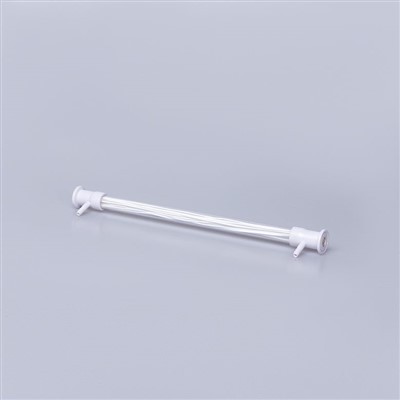
Hey there! As a supplier of Single – Use Filtration Assemblies, I’ve seen my fair share of clogging issues. It’s a real pain in the neck for everyone involved, from the end – users to us suppliers. Today, I’m gonna share some tips on how to prevent clogging of these single – use filtration assemblies. Single-Use Filtration Assemblies
Understanding the Basics of Clogging
First things first, it’s important to understand why clogging happens. There are a few main culprits. One of the biggies is the presence of large particles in the fluid being filtered. If your fluid has a lot of debris, sediment, or other solid stuff in it, those big particles can quickly build up on the filter surface. This forms a kind of cake or layer that restricts the flow of the fluid through the filter.
Another factor is the viscosity of the fluid. Thick, syrupy fluids are harder to filter than thin, watery ones. They move through the filter more slowly, and the particles in them are more likely to get stuck in the filter pores.
And then there’s the flow rate. If you’re trying to push too much fluid through the filter too quickly, it can overwhelm the filter. The particles don’t have enough time to pass through properly, and they start to pile up.
Pre – Filtration is Your Friend
One of the best ways to prevent clogging is pre – filtration. This means using a coarser filter before the main single – use filtration assembly. A pre – filter is like a first line of defense. It traps the larger particles in the fluid, so they don’t reach the main filter.
Let me give you an example. Say you’re filtering a liquid that contains bits of sand and small rocks. If you send that liquid straight through your single – use filtration assembly, those sand and rock particles will quickly clog the filter. But if you use a pre – filter with larger pores first, it’ll catch the sand and rocks, and only the smaller particles and the liquid itself will pass through to the main filter.
There are different types of pre – filters you can use, depending on your specific needs. Some are made of fibrous materials, like cellulose or polypropylene. Others are made of porous plastics or metals. You gotta choose the one that’s right for your fluid and the size of the particles you’re trying to remove.
Check the Fluid Quality Regularly
You can’t just set up your filtration system and forget about it. You need to keep an eye on the quality of the fluid being filtered. Test the fluid regularly to see what kind of particles are in it and how concentrated they are.
For instance, if you’re filtering water from a natural source, like a lake or a river, the particle content can vary a lot depending on the season and the weather. In the rainy season, there might be more sediment in the water. If you know this, you can adjust your filtration process accordingly. You might need to change the pre – filter more often or use a different grade of filter.
There are lots of ways to test the fluid quality. You can use simple visual inspections, where you just look at the fluid and see if it looks cloudy or has any visible particles. There are also more sophisticated methods, like using a particle counter or a microscope to analyze the size and number of particles in the fluid.
Control the Flow Rate
As I mentioned earlier, an overly high flow rate can cause clogging. You need to find the right balance between getting enough fluid through the filter and not overwhelming it.
Most single – use filtration assemblies come with a recommended flow rate. Make sure you follow these guidelines. If you try to push the fluid through too fast, the pressure on the filter will increase, and the particles will be more likely to get forced into the filter pores and clog them.
You can use flow control valves to regulate the flow rate. These valves allow you to adjust how much fluid is passing through the filter at any given time. You can also monitor the pressure drop across the filter. An increasing pressure drop can be a sign that the filter is starting to clog. If you notice this, you can reduce the flow rate to give the filter a break.
Choose the Right Filter Pore Size
The pore size of the filter is crucial. If the pores are too big, the filter won’t be able to remove the small particles you want to get rid of. But if the pores are too small, they’ll clog up quickly.
You need to consider the size of the particles in your fluid when choosing a filter. If you’re filtering a fluid with mainly large particles, a filter with larger pores will work fine. But if you’re trying to remove very small particles, like bacteria or viruses, you’ll need a filter with smaller pores.
Some single – use filtration assemblies come with multiple layers of filters with different pore sizes. These are called depth filters. They work by trapping particles at different levels within the filter, which can help prevent clogging.
Proper Storage and Handling
How you store and handle your single – use filtration assemblies can also affect clogging. Make sure you store them in a clean, dry place. If they’re exposed to dust, moisture, or other contaminants during storage, it can damage the filter and increase the risk of clogging.
When you’re handling the filters, be careful not to touch the filter surface with your bare hands. Oils and dirt from your hands can transfer to the filter and cause clogging. Use gloves or other protective equipment when installing or changing the filters.
Regular Maintenance and Replacement
Just like any other piece of equipment, single – use filtration assemblies need regular maintenance. Even though they’re single – use, it’s important to keep them in good condition.
Check the filters regularly for any signs of damage or clogging. If you notice that the flow rate has decreased significantly or the pressure drop across the filter is too high, it might be time to replace the filter.
Don’t wait until the filter is completely clogged to replace it. A partially clogged filter will still reduce the efficiency of your filtration system and can cause other problems, like increased contamination of the fluid.
Conclusion and Call to Action

Preventing clogging of single – use filtration assemblies is all about being proactive. By following these tips, you can extend the life of your filters, improve the efficiency of your filtration system, and save yourself a lot of headaches.
0.5-2.5m2 Stainless Steel Holder If you’re having trouble with clogging or if you’re not sure which filtration assembly is right for your needs, don’t hesitate to reach out. We’re here to help you find the best solutions for your specific applications. Whether it’s choosing the right pre – filter, adjusting the flow rate, or selecting the correct filter pore size, we’ve got the expertise to guide you. So, let’s start a conversation and see how we can work together to keep your filtration process running smoothly.
References
- ASTM International standards related to filtration.
- White papers on single – use bioprocessing and filtration from industry associations.
- Technical manuals from leading manufacturers of filtration products.
Hangzhou Guidling Technology Co., Ltd.
Address: No.795, 18th Street, Qiantang New District, Hangzhou City, Zhejiang Province, China
E-mail: export1@guidling.net
WebSite: https://www.guidlingfiltration.com/
