Hey there! I’m in the business of supplying insulation paper, and today, I wanna chat about how insulation paper ages over time. I’ve seen it all in my years of working with this stuff, from new and fresh – looking paper to the well – worn kind. So, let’s dive right in! Insulation Paper
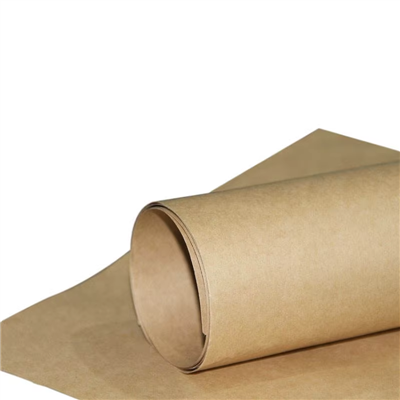
What is Insulation Paper Anyway?
First off, for those who aren’t in the know, insulation paper is a super important material in a bunch of industries. It’s used in electrical equipment like transformers, motors, and generators. Its main job is to prevent electrical current from flowing where it shouldn’t, keeping things safe and working properly. There are different types, too, like cellulose – based paper, which is made from natural fibers, and synthetic insulation paper, which is engineered for specific high – performance needs.
Factors Affecting the Aging of Insulation Paper
Now, let’s talk about what causes insulation paper to age. There are a few key factors that play a huge role in this process.
Temperature
Temperature is a biggie. High temperatures can really speed up the aging of insulation paper. When the paper is exposed to heat, the chemical bonds in the paper start to break down. This is because heat provides energy to the molecules in the paper, making them more likely to react with oxygen and other substances in the environment.
Think of it like a cake in an oven. If the oven is set too high, the cake will burn much faster. Similarly, if the temperature around the insulation paper is too high, it’ll age rapidly. In a transformer, for example, continuous high – temperature operation can lead to the paper becoming brittle and losing its insulation properties.
Moisture
Moisture is another major culprit. Insulation paper is like a sponge; it can absorb water from the air around it. Once moisture gets into the paper, it can cause all sorts of problems. Water can break down the cellulose fibers in the paper, if it’s a cellulose – based type. This weakens the paper’s structure and reduces its ability to insulate.
Moreover, moisture can also promote the growth of mold and bacteria, which further degrade the paper. In humid environments, the risk of moisture – related aging is even higher. You can imagine how bad it would be if the insulation in an electrical device starts to break down because of mold growth.
Oxygen
Oxygen in the air can also cause insulation paper to age. When the paper is exposed to oxygen, a process called oxidation occurs. Oxidation is like rusting, but for paper. It slowly eats away at the paper, changing its chemical composition. This can make the paper turn yellow, become more brittle, and lose its mechanical strength.
In some industrial settings, steps are taken to reduce the paper’s exposure to oxygen. For example, in some sealed transformers, the space around the insulation paper is filled with an inert gas like nitrogen to prevent oxidation.
Chemicals
Chemicals in the environment can also have a negative impact on insulation paper. Some chemicals can react with the paper, corroding it and causing it to age prematurely. For instance, acids or alkalis can break down the fibers in the paper. In an industrial area with a lot of chemical pollution, the insulation paper needs to be more resistant to these substances.
Stages of Insulation Paper Aging
As insulation paper ages, it goes through a few distinct stages. Understanding these stages can help us know when it’s time to replace the paper to avoid any electrical failures.
Initial Stage
In the early days, everything seems fine. The insulation paper looks and performs as expected. It has the right level of flexibility, and its electrical insulation properties are at their peak. But even at this stage, the slow process of aging has already started, thanks to the factors we talked about earlier.
Intermediate Stage
As time goes on, you start to notice some changes. The paper may start to lose a bit of its flexibility. It might turn a slightly darker color, especially if oxidation is occurring. The electrical insulation properties start to decline, but it’s usually not enough to cause any major problems yet. However, this is a warning sign that things are changing.
Final Stage
In the final stage of aging, the insulation paper is in pretty bad shape. It’s brittle, and it may start to crack or break easily. The electrical insulation properties have dropped significantly, which means there’s a much higher risk of electrical short – circuits and failures. At this point, it’s absolutely necessary to replace the insulation paper to maintain the safety and functionality of the electrical equipment.
How to Detect Aging Insulation Paper
As a supplier, I know how important it is to be able to detect aging insulation paper early. There are a few ways to do this.
Visual Inspection
One of the simplest ways is to just look at the paper. If you notice any discoloration, like yellowing or browning, it could be a sign of aging. Cracked or brittle paper is also a clear indicator that it’s in the later stages of aging. This is something you can do with a basic visual check, but it’s not always enough to get a full picture.
Electrical Tests
Electrical tests are more accurate. These tests measure things like the dielectric strength of the paper. A drop in dielectric strength means that the paper’s ability to insulate is decreasing. Frequency – domain dielectric spectroscopy is a popular test that can give detailed information about the paper’s condition.
Chemical Analysis
Chemical analysis can also be used to determine the age of the insulation paper. By analyzing the chemical composition of the paper, we can see how much degradation has occurred. For example, we can measure the amount of furanic compounds in the paper, which are by – products of cellulose degradation.
Impact of Aging Insulation Paper on Electrical Systems
When insulation paper ages, it can have some serious consequences for electrical systems.
First, there’s the risk of electrical failures. As the insulation breaks down, there’s a higher chance of short – circuits occurring. This can lead to equipment damage, power outages, and even safety hazards. For example, in a large power transformer, a short – circuit can cause a huge surge of electricity, which can damage other parts of the electrical grid.
Second, aging insulation paper can reduce the efficiency of electrical systems. When the insulation is not working properly, more energy is wasted as heat. This means that the equipment has to work harder to do the same job, leading to higher energy costs.
Extending the Lifespan of Insulation Paper
So, what can we do to make insulation paper last longer? Well, there are a few things.
Temperature Control
Controlling the temperature around the insulation paper is crucial. This can be done through proper ventilation and cooling systems. In a transformer, for example, cooling fans or oil – cooling systems can be used to keep the temperature down.
Moisture Control
Moisture control is also important. Using moisture – resistant materials and sealing the equipment properly can help prevent moisture from getting to the insulation paper. In some cases, desiccants can be used to absorb any moisture that does get in.
Chemical Protection
Selecting insulation paper that is resistant to chemicals in the environment can also extend its lifespan. In areas with high levels of chemical pollution, special – grade insulation paper can be used.
Get in Touch for Your Insulation Paper Needs

If you’re in the market for high – quality insulation paper, I’m here to help. Whether you’re looking for paper that can withstand high temperatures, resist moisture, or stand up to chemicals, I’ve got options for you. As a supplier with years of experience, I know how important it is to have reliable insulation paper in your electrical systems.
Food Packaging Paper/ Food Packing Paper Don’t let aging insulation paper cause problems for your equipment. Reach out to me to discuss your requirements, and we can find the perfect insulation paper solution for you.
References
- "Electrical Insulation for Rotating Machines: Design, Evaluation, Aging, Testing, and Repair" by G. C. Stone, E. A. Boulter, I. Culbert, and R. J. McIntosh.
- "Handbook of Electrical Insulating Materials" edited by D. W. McLean, C. A. Till, and J. F. Silvis.
Senzo New Material Group Co., Ltd.
As one of the most professional insulation paper manufacturers and suppliers in China, we also support customized service. Please rest assured to buy high quality insulation paper made in China here from our factory. For price consultation, contact us.
Address: Dongying Bonded Area, Shandong, P. R. China
E-mail: info@aonuochina.cn
WebSite: https://www.senzopaper.com/
