Hey there! As a supplier in the Specimen Preparation field, I often get asked about the methods of preparing a sputum specimen for bacterial culture. It’s an important topic, especially in the medical and research sectors, where accurate results can make a huge difference. So, let’s dive right into it. Specimen Preparation

First off, why is sputum specimen preparation for bacterial culture so crucial? Well, sputum is a complex mixture of mucus, cells, and microorganisms that can provide valuable information about a patient’s respiratory health. Bacterial culture helps in identifying the specific pathogens causing an infection, which in turn guides the appropriate treatment.
Methods of Sputum Specimen Preparation
1. Patient Preparation
Before collecting the sputum, it’s essential to prepare the patient properly. I usually tell patients to rinse their mouths thoroughly with water to reduce the number of oral bacteria that could contaminate the sample. This simple step can make a big difference in the accuracy of the culture.
For patients who are having trouble producing sputum, there are a few tricks. Encouraging deep breathing and coughing can help. Sometimes, inhaling a warm, moist air can also stimulate the production of sputum. I’ve seen this work wonders for many patients.
2. Collection of Sputum
The best time to collect sputum is in the morning, as the sputum tends to be more concentrated after a night of rest. I always provide patients with a sterile sputum collection container. It’s important to stress to them that the container should remain sealed until use to prevent contamination.
When collecting the sputum, the patient should take a deep breath and then cough forcefully to bring up the sputum from the lower respiratory tract. The sputum should be expectorated directly into the container. It’s crucial to avoid saliva, as saliva contains a large number of normal oral flora that can interfere with the bacterial culture.
3. Transport of the Specimen
Once the sputum is collected, it needs to be transported to the laboratory as soon as possible. I recommend keeping the specimen at room temperature if it will be processed within a few hours. If there’s a delay, the specimen should be refrigerated at 2 – 8°C to prevent the overgrowth of bacteria.
I always make sure to provide clear instructions to my customers on how to transport the specimens safely. This helps in maintaining the integrity of the sample and ensures accurate test results.
4. Processing of the Sputum in the Laboratory
When the sputum specimen arrives at the laboratory, the first step is to examine it macroscopically. The color, consistency, and volume of the sputum can provide some initial clues about the patient’s condition.
Next, a small amount of the sputum is used to prepare a direct smear. This involves spreading the sputum thinly on a glass slide and staining it. The direct smear can help in quickly identifying the presence of bacteria, fungi, or other microorganisms.
After the direct smear, the sputum is then inoculated onto appropriate culture media. Different types of media are used depending on the suspected pathogens. For example, blood agar is commonly used to isolate a wide range of bacteria, while MacConkey agar is used to isolate Gram-negative bacteria.
The inoculated media are then incubated at the appropriate temperature and in the appropriate atmosphere. Most bacteria grow well at 37°C in an aerobic environment, but some pathogens like Mycobacterium tuberculosis require special culture conditions.
5. Identification of Bacteria
Once the bacteria have grown on the culture media, they need to be identified. This can be done using a variety of methods. One common method is the Gram stain, which helps in differentiating between Gram-positive and Gram-negative bacteria.
Other identification techniques include biochemical tests, which examine the metabolic characteristics of the bacteria. For example, some bacteria can ferment certain sugars, while others produce specific enzymes.
In more advanced laboratories, molecular techniques such as polymerase chain reaction (PCR) can also be used to identify bacteria. PCR is a highly sensitive and specific method that can detect the genetic material of the bacteria.
Quality Control in Sputum Specimen Preparation
Quality control is an essential part of sputum specimen preparation for bacterial culture. I always emphasize the importance of using sterile equipment and following strict aseptic techniques at every step.
In the laboratory, quality control measures include using control strains of bacteria to ensure that the culture media and identification methods are working correctly. Regular calibration of equipment and proper training of laboratory personnel are also crucial.
Our Role as a Specimen Preparation Supplier
As a Specimen Preparation supplier, we play a vital role in this process. We provide high-quality sputum collection containers that are sterile and designed to prevent contamination. Our containers are made from materials that are compatible with the specimens and the transport conditions.
We also offer a range of culture media that are formulated to support the growth of different types of bacteria. Our culture media are tested rigorously to ensure their quality and performance.
In addition, we provide training and support to our customers to help them understand the proper methods of sputum specimen preparation. We believe that by working together with our customers, we can improve the accuracy and reliability of bacterial culture results.
Why Choose Us?
There are several reasons why you should choose us as your Specimen Preparation supplier. Firstly, we have a team of experienced professionals who are dedicated to providing the best products and services. We understand the importance of accurate test results and are committed to ensuring the quality of our products.
Secondly, we offer competitive prices without compromising on quality. We know that cost is an important factor for many of our customers, and we strive to provide value for money.
Finally, we are committed to innovation. We are constantly researching and developing new products and techniques to improve the efficiency and accuracy of sputum specimen preparation for bacterial culture.
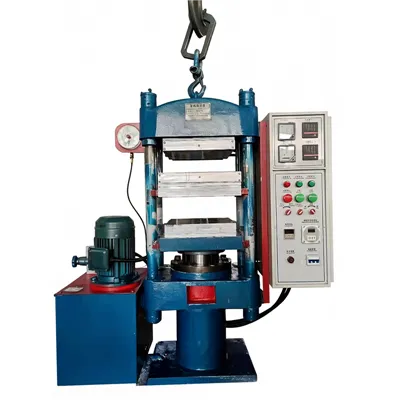
Testing Machine If you’re interested in learning more about our products and services, or if you have any questions about sputum specimen preparation, don’t hesitate to reach out to us. We’d be more than happy to have a chat with you and discuss your specific needs. Whether you’re a medical institution, a research laboratory, or any other organization in need of specimen preparation supplies, we’re here to help. Contact us today to start a conversation about your procurement needs, and let’s work together to ensure accurate and reliable bacterial culture results.
References
- Forbes, B. A., Sahm, D. F., & Weissfeld, A. S. (2007). Bailey & Scott’s Diagnostic Microbiology. Mosby Elsevier.
- Clinical and Laboratory Standards Institute (CLSI). (2018). Methods for Detection of Antimicrobial Activity in Bacteria; Approved Standard – Tenth Edition. CLSI document M07 – A10.
- Murray, P. R., Rosenthal, K. S., & Pfaller, M. A. (2015). Medical Microbiology. Elsevier.
Yangzhou Zhengyi Testing Machinery Co., Ltd.
As one of the most professional specimen preparation manufacturers and suppliers in China, we warmly welcome you to buy customized specimen preparation at competitive price from our factory. If you have any enquiry about quotation, please feel free to email us.
Address: No. 66 Zhenxing North Road, Zhenwu Town, Jiangdu District, Yangzhou City, Jiangsu Province
E-mail: 13813156012@163.com
WebSite: https://www.cnzhengyi.com/
