Hey there! I’m a supplier of non woven disposables, and I often get asked, "Do non woven disposables have good chemical resistance?" Well, let’s dive right into this issue and break it down. Non Woven Disposables
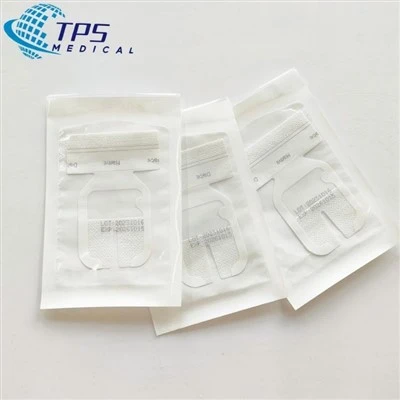
First off, what are non woven disposables? They’re products made from non woven fabrics. Unlike traditional woven fabrics that are made by interlacing threads, non woven fabrics are created by bonding or felting fibers together. This process gives them unique properties, and one of the key questions is how well they stand up to chemicals.
The chemical resistance of non woven disposables can vary a lot. It mainly depends on two things: the type of fibers used in the fabric and the manufacturing process.
Let’s start with the fibers. There are several common types used in non woven disposables, like polypropylene, polyester, and rayon. Each of these has different chemical – resistant capabilities.
Polypropylene is super popular. It’s cheap, lightweight, and has a decent resistance to many common chemicals. Most of the time, it can handle things like acids, bases, and oils in low – to – moderate concentrations. For example, in the food industry, non woven polypropylene products are often used because they can resist the mild acids and oils found in many food products. But if you expose it to strong oxidizing agents or some organic solvents for a long time, it will start to break down. Polypropylene has a relatively low melting point too, so high – temperature chemicals can also cause problems.
Polyester, on the other hand, is a bit more robust when it comes to chemicals. It has better resistance to heat and certain solvents compared to polypropylene. Many industrial non woven disposables made of polyester are used in environments where they may come into contact with chemicals like cleaning agents and some solvents. However, it’s not completely invincible. Strong alkalis can slowly degrade polyester fibers over time.
Rayon is a natural – sourced fiber, and its chemical resistance is not as good as polypropylene or polyester. It absorbs water easily and is sensitive to some strong acids and alkalis. But rayon is soft and breathable, so you’ll often find it in applications where comfort is more important than high – level chemical resistance, like in some personal care non woven disposables.
Now, the manufacturing process also plays a big role. Different bonding methods can change the pores and structure of the non woven fabric, affecting its chemical resistance. Thermal bonding, for example, can make the fabric more compact and potentially more resistant to chemicals because the fibers are fused together more tightly. On the other hand, chemical bonding may leave some chemical residues on the fabric, which could react with other chemicals it comes into contact with later.
There are also different treatments and coatings that can be applied to non woven disposables to improve their chemical resistance. For instance, some companies use silicone coatings to make the fabric more resistant to water – based chemicals and solvents. These coatings create a sort of barrier on the surface of the fabric, preventing chemicals from directly interacting with the fibers.
In terms of real – world applications, non woven disposables with good chemical resistance are in high demand. In the medical field, doctors and nurses use non woven protective gowns and gloves that need to resist a variety of medical chemicals, disinfectants, and body fluids. If the non woven fabric doesn’t have good chemical resistance, it won’t be able to provide proper protection, and that’s a big risk.
In the industrial sector, workers need non woven coveralls and aprons that can withstand chemicals used in manufacturing processes, such as adhesives, paints, and cleaning agents. When a company is choosing non woven disposables for their employees, they really look carefully at the chemical – resistant properties to ensure the safety of their workers.
When it comes to testing the chemical resistance of non woven disposables, there are several methods. One common way is to soak samples of the non woven fabric in different chemicals for a certain period and then measure things like weight loss, strength loss, or changes in appearance. This gives an idea of how well the fabric can handle the chemicals under controlled conditions. But it’s important to note that real – world conditions can be a lot more complex. For example, in a factory, the non woven disposable may be exposed to a combination of chemicals at different temperatures and pressures, which might not be fully replicated in a lab test.
So, do non woven disposables have good chemical resistance? Well, it depends. Some non woven disposables can have excellent chemical resistance, especially those made from the right fibers, with the right manufacturing process, and proper treatments. But others may not be as good, especially if they’re designed for applications where chemical resistance isn’t the top priority.
As a non woven disposables supplier, I know how crucial it is to understand the chemical – resistant needs of my customers. That’s why I work closely with my production team to ensure that we can offer a wide range of non woven disposables that meet different chemical – resistance requirements. Whether you’re in the medical, industrial, or any other industry that needs non woven disposables, we can help you find the right product.
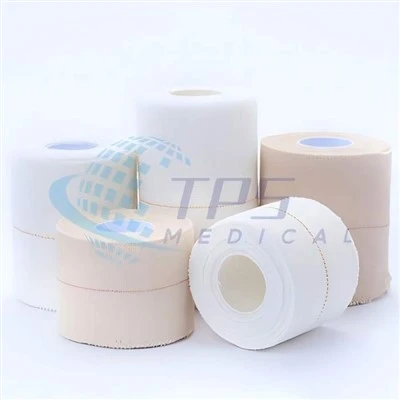
If you’re looking for non woven disposables with specific chemical – resistant properties, don’t hesitate to reach out. We can have a detailed discussion about your needs, and I’m confident we can come up with a solution that fits your requirements perfectly. Let’s talk about how we can provide you with high – quality non woven disposables that will serve your purpose well. Contact us for further procurement discussions and let’s start working together to find the best non woven disposable products for your business.
Medical Bandages References:
- "Nonwoven Fabrics: Structure, Properties, and Applications"
- "Handbook of Nonwovens"
- Industry research reports on non woven disposables.
Hangzhou Tuopusi Medical Products Co., Ltd.
As one of the most professional non woven disposables manufacturers and suppliers in China, we offer a wide range of products with superior quality. Please feel free to wholesale bulk customized non woven disposables at competitive price from our factory. Also, free sample is available.
Address:
E-mail: sales@tpsmedic.com
WebSite: https://www.medressing.com/
