Hey there, welcome to my little corner of the web—this is Jake, from the team that actually builds and fixes welding wire auxiliary gear (no stuffy corporate titles here, just the guy who’s spent 12+ years troubleshooting the same machines most welders and workshop managers deal with every day). If you’ve ever stared at a dusty wire straightener that’s feeding wonky filler wire, or a spooler so gunked up with old flux you almost needed a hammer to free it, this post is for you. I’ve seen way too many shops skip cleaning these auxiliary tools because they think “it’s just wire stuff” or “it’s too much hassle”—but trust me, a 20-minute deep clean once a month saves you from 2 hours of fixing misaligned welds or replacing burnt-out parts. Let’s break this down, no fancy jargon, just what actually works for the gear we supply. Welding Wire Auxiliary Equipment
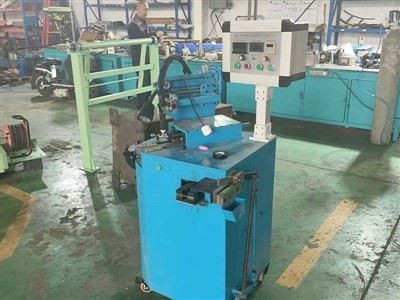
First, let’s get real: what even counts as welding wire auxiliary equipment? I hear this all the time from new customers, so let’s skip the textbook. It’s the stuff that works with your welding machine but isn’t the torch itself—things like wire straighteners, spool holders, wire feed rollers, flux removers (the little brushes or degreaser units for wire), and even the cable organizers that keep wire from kinking mid-feed. Every one of these parts builds up crud over time: welding flux dust, metal shavings, leftover anti-spray, even the weird gummy residue from old E70S-6 wire. If you don’t clean them, that gunk acts like sandpaper on the wire, causes uneven feeding, and can even clog the wire feed gun—we’ve had shops tell us that switching to a clean wire straightener cut their rework by 30% last quarter, no lie.
Now, let’s go through each piece of common auxiliary gear, step by step, how I’d tell our own in-house techs to clean ’em, and what mistakes to avoid. First up: wire straighteners. These are the rollers that bend the wire back and forth to keep it straight before it hits the feed gun. Most shops use them daily, so crud builds up in the gaps between the rollers and in the adjustment screws that tweak roller pressure. Here’s how to do it right (I do this every Friday when I’m in the shop):
- Shut everything off, unplug it—electricity and wire dust don’t mix. If you’re using a pneumatic straightener, bleed the air line too so no surprise blasts.
- Pull the wire out completely (set it aside in a clean bin so it doesn’t get dusty). Loosen the roller adjustment screws all the way—you don’t want to snap a tiny bolt here, I learned that the hard way last year when I skipped loosening and stripped a thread.
- Take a stiff nylon brush (not metal—metal can scratch the rollers, which will scratch your wire) and scrub every gap between the rollers. For the hard, dried flux, spray a little isopropyl alcohol (91% works better than 70% because it evaporates fast) on a rag, let it sit for 30 seconds, then wipe. Avoid getting alcohol on the adjustment screws’ threads, though—can cause rust.
- Once the rollers are clean, wipe down the base of the straightener and the area where the wire slides in (that’s a hidden trap for metal shavings). Then, retighten the adjustment screws evenly—don’t crank one all the way, that’ll warp the rollers and mess up straightness. Pro tip: if your straightener has removable rollers, take them off every 3 months for a deep soak in warm soapy water, then air dry completely before putting back. We supply spare roller sets for exactly this, and 9 out of 10 customers who use our rollers say they last twice as long when cleaned regularly.
Next, wire feed rollers. These are the rubber or metal grooved wheels that pull the wire from the spool into the machine. Gunk here is super bad because it makes the roller slip, so the wire feeds unevenly—you’ll get sputtering welds or gaps mid-bead. Cleaning these is simple, but again, easy to rush:
- Unplug the feed unit, and pop off the cover (most just snap off, no tools needed—check your manual, I won’t lie, we don’t all read it).
- Take the wire out, then pry the rollers off their shafts (use a flathead screwdriver wrapped in a rag so you don’t scratch the shaft).
- Scrub the grooves of the rollers with a nylon brush, and if they’re really grimy, soak them in warm water with a little dish soap (no harsh chemicals that eat rubber!) for 10 minutes. For metal rollers, a little steel wool (0000 grade, super fine) works to buff out stuck gunk, but only on the metal parts—never on rubber.
- Dry everything completely, lube the roller shafts with a tiny bit of food-grade silicone spray (never heavy grease, that attracts more dust), then pop them back on. Test feeding a foot of wire to make sure it doesn’t slip—adjust tension until it feeds smooth. I see so many shops over-tighten the rollers after cleaning, which wears out the rubber in 6 months instead of 2 years. Don’t do that.
Spool holders and spool checkers—these are the parts that hold your wire spool, keep it from spinning too fast (that’s a bird’s nest, by the way), and sometimes check wire diameter or tension. Most people ignore these, but a dusty spool holder makes the spool wobble, which causes kinks. Cleaning is quick:
- Take the spool off, wipe the holder with a dry rag, then use a small brush to get dust out of the tension spring area (that’s where excess flux collects).
- If your spool has a built-in check for wire condition, gently wipe the sensor pins with a cotton swab dipped in alcohol—don’t bend the pins, they’re fragile.
- Lubricate the spool axle once every 6 months with silicone spray, not oil, so the spool spins smoothly without sticking. Last month, a customer told us a clean spool holder fixed their constant bird’s nest issues for good—they were using the same holder for 5 years and never wiped it down. Rookie mistake.
Flux removers and wire cleaning brushes—this is the tiny (but crucial) brush that wipes flux off the wire right before it feeds into the gun. If this brush is gunked up, it deposits flux back onto the wire, which causes porosity in welds. How to clean these:
- Turn off the unit, unplug it, then remove the brush head (most just twist off).
- If it’s a wire brush, pull out any stuck wire bits with tweezers, then rinse it under warm water, squeeze out excess, and let it air dry. For synthetic bristle brushes, don’t use hot water—it melts the bristles.
- If you have a degreaser pad, replace it every 2 weeks, or if it’s caked with old flux. We sell replacement brush heads and pads for all the auxiliary gear we make, and it’s one of our best-selling add-ons because people realize how often they need it.
Wait, what about less common auxiliary gear? Like wire straightening tables, or automated auxiliary units for big shops? The same rules apply: unplug, remove crud with nylon brushes or alcohol, don’t use harsh chemicals, lube moving parts sparingly. For automated units, I’d add one thing: check the wiring harness after cleaning to make sure you didn’t knock any connections loose. We service a few big manufacturing plants, and last year we had to fix a $1,200 straightener because their cleaner yanked a wiring harness while cleaning—avoid that.
Now, let’s talk about the stuff you should never use to clean auxiliary gear. This is important—we’ve seen customers mess up perfectly good parts because they used the wrong stuff. Don’t use metal scrapers (they scratch rollers, which scratch wire), don’t use high-pressure air blasts (it drives dust into tiny crevices and can damage sensors), don’t use bleach or strong solvents (they eat rubber and plastic parts), and don’t leave parts wet after cleaning (rust is the enemy of metal rollers and shafts). If you’re in a super dusty shop, maybe add a quick wipe-down of all auxiliary gear every shift, then a deep clean once a month. It adds up to like 45 minutes a week, which is way less time than fixing a weld that’s bad because of dirty gear.
Quick personal story to wrap this up: When I first started at this company 10 years ago, I thought cleaning auxiliary gear was a waste of time—until my boss made me help a shop that was losing $5k a week in rework because their wire straighteners were gunked up. We cleaned ’em, adjusted the rollers, and the next week they cut rework to $1k. That’s when I realized this isn’t just “wire stuff”—it’s about keeping your welding work profitable and consistent. We build these auxiliary gear to last, but they need a little love, just like any other tool you use every day.

If you have questions about cleaning specific gear, or need replacement parts, or want to upgrade your auxiliary set-up for less downtime, hit us up to connect with our technical team. We don’t do pushy sales calls—just guys who know this gear inside and out, ready to help. No awkward sales pitches, just real advice from people who use this stuff every day.
Welding Wire Winding Machinery References:
- American Welding Society. (2021). Recommended Practices for Maintenance of Welding Auxiliary Equipment. AWS D1.1M/D1.1: Structural Welding Code – Steel.
- Miller Welders Technical Support. (2022). Best Practices for Cleaning Wire Feed Components and Rollers.
- Lincoln Electric Maintenance Guide. (2023). Care and Upkeep of Welding Wire Auxiliary Spool Holders and Straighteners.
Three Water Machinery Co., Ltd.
Three Water Machinery Co., Ltd. is one of the most reliable manufacturers and suppliers of welding wire auxiliary equipment in China. With abundant experience, we warmly welcome you to buy advanced equipment for sale here and get quotation from our factory. Contact us for more details.
Address: No.15, Jiaye Road, Liuanzhuang Industrial Park, Beichen District, Tianjin, China
E-mail: sales@eqet.com
WebSite: https://www.eqet.com/
