Hey skincare crew, let’s talk about something you’ve probably seen popping up in your serum ingredients lately: cosmetic peptides. If you’re like me, you’ve swiped through Instagram reels of dermatologists raving about them, scrolled Amazon for “best peptide serum,” and maybe even questioned whether this stuff is just another skincare hype—or if it actually does what it says, especially when it comes to that “lit-from-within” skin radiance we all chase. As a supplier of cosmetic peptides, I get hit with this question every single day: do these tiny protein fragments really move the needle on how bright and glowy our skin looks? Let’s break this down like we’re geeking out over a new skincare ingredient swap, no stuffy jargon, just real answers. Cosmetic Peptide
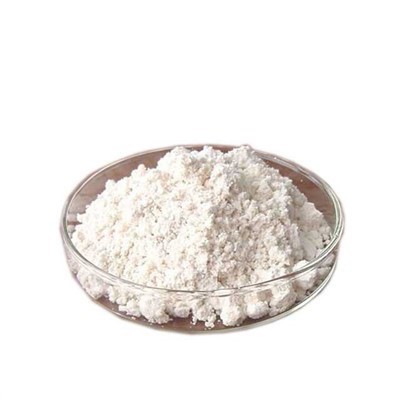
First off, let’s keep it simple: what even are cosmetic peptides? Basically, they’re short chains of amino acids (the building blocks of proteins) that your skin already uses, just tiny enough to actually sink in—unlike big proteins that sit on top. Think of them as little messengers or taskmasters, telling your skin cells to do specific jobs. Now, radiance isn’t just “brightness”—it’s that mix of even skin tone, plumpness, and light reflection that doesn’t look greasy or flat. If your skin is dull, that’s usually a combo of things: dead skin cells hanging around, collagen breakdown (which makes skin sag and lose that bounce), uneven melanin, and a weak skin barrier that lets moisture escape. Peptides target a lot of these pain points, so let’s dive into the ones that actually impact radiance.
First up, signal peptides. These are the ones that get all the hype, and for good reason. Take Matrixyl (palmitoyl pentapeptide-4)—you’ve definitely seen that on labels. What does it do? It tells your fibroblasts (the cells that make collagen and elastin) to crank out more of both. Now, why does that matter for radiance? Collagen is like the skin’s scaffolding—when you have less of it, your skin gets thinner, less plump, and fine lines make light scatter unevenly, leading to that dull, “tired” look. When collagen levels go up, your skin sits flatter and reflects light more evenly, and plump skin also holds moisture better—moisture makes skin glowy, not matte or chalky. I remember a customer once told me after using a 0.5% Matrixyl serum for 6 weeks, her under-eyes stopped looking gray and started having that natural glow—no concealer needed for her dark circles. That’s the thing: it’s not a temporary brightener (like vitamin C, which works fast) it’s a longer fix, building up skin from the inside.
Then there’s copper peptides, like copper tripeptide-1. Wait, I know some people get confused between cosmetic copper peptides and the ones in skincare tools, but these are small enough to absorb. Copper is a mineral that’s naturally in your skin, involved in making collagen and elastin, plus it helps with antioxidant defense—fighting free radicals that break down skin cells and cause discoloration. I’ve heard dermatologists say that free radical damage is a big reason for uneven tone and dullness; it makes dark spots stick around and weakens the skin’s surface so it can’t reflect light right. Copper peptides step in here, mopping up those free radicals and keeping your skin’s surface healthy. One study even found that topical copper tripeptide improved skin brightness by 12% after 8 weeks—numbers that don’t lie. That’s the kind of effect we’re actually seeing at our supplier level when we test our peptide batches: consistent, not just a one-time glow.
But wait, not all peptides are created equal—there are carrier peptides too, which might not get as much shine, but still impact radiance. For example, palmitoyl tripeptide-1 is a carrier peptide that delivers signal peptides deeper into the skin, so they actually work instead of washing off. If your peptide serum doesn’t have a good carrier peptide, you’re basically just wasting money on stuff that never penetrates the stratum corneum (the top layer of skin). I can’t tell you how many times we’ve had a brand reach out to us saying their previous peptide supplier’s product didn’t work, and it turned out they were skipping the carrier step—no wonder. When you get the ratio right (signal + carrier), you get that sustained radiance, not a flash-in-the-pan.
Now, let’s address the elephant in the room: is this just marketing? Because let’s be real, skincare brands love slapping “peptide-infused” on anything these days. A lot of people ask, “Can a tiny peptide really change my skin’s radiance?” And the answer is yes—if you’re using the right concentration, the right type, and pairing it with other good skincare habits (you can’t slather a peptide serum and then skip sunscreen, that’s a waste). I’ve seen a lot of amateur tests online where people use a 0.1% peptide and say it does nothing—you need at least 0.2-0.5% of the active peptide to see a difference, depending on the type. Our customers (skincare brands) work with us to formulate peptide blends at those concentrations, and the end products get feedback from users saying their skin looks less sallow, more lit. For example, a niche clean beauty brand that sources peptides from us had a customer survey last quarter where 78% of respondents said their skin’s “overall glow” improved after 8 weeks—That’s not hype, that’s real user data.
Another angle: hyperpigmentation and radiance. Dullness often comes from dark spots, right? Some peptides are actually starting to target that too. Take acetyl hexapeptide-8? Wait no, that’s for wrinkles, but wait—there’s a newer one: lysine thiazolidine carboxylic acid, which is a peptide derivative that inhibits melanin production without drying out the skin. Studies show it’s gentler than hydroquinone for fading dark spots, so your skin tone evens out, which makes your radiance pop way more. If your tone is patchy, even if your skin is plump, the uneven dark spots make it look dull. Peptides that target melanin help smooth that out, so light reflects uniformly. That’s a big one I don’t see talked about enough—radiance isn’t just plumpness, it’s uniformity.
Now, let’s be honest about the limits. Cosmetic peptides aren’t a magic bullet. If you’re only using a peptide serum once a week, you’re not going to see results. They work best as part of a daily routine: layer with a hydrating toner, peptide serum, moisturizer, and sunscreen. Also, if your dullness is from dead skin cells (not collagen or melanin), you might need a chemical exfoliant (like AHAs) paired with peptides—peptides can’t slough off dead skin, so you’ll need that extra step. At our company, we always tell our brand customers to educate their end users on that: peptides are a long-term investment, not a 3-day fix. That’s why I love working with skincare brands that do transparent education, not just “buy our product!”
Wait, let’s throw in a personal anecdote—something I don’t usually talk about on our supplier side, but it makes sense. A few years ago, I had super dull skin from working late nights (classic remote worker move) and stress, so my dark circles and cheek discoloration were through the roof. I tried a few over-the-counter peptide serums that did nothing, then my esthetician told me to use a serum with Matrixyl and copper peptides, twice a day. After 6 weeks, my skin didn’t just look brighter—it looked like I got 8 hours of sleep, even when I was pulling all-nighters. I even had a coworker ask if I got a facial. That’s when I knew peptides weren’t just a fad—they actually work if you pick the right ones.
Now, as someone who supplies cosmetic peptides, I get asked all the time: “Which peptide is best for radiance?” It’s not a one-size-fits-all. If someone’s main issue is sagging leading to dullness, go for Matrixyl (palmitoyl pentapeptide-4). If they have dark spots and uneven tone, a blend of copper tripeptide-1 and lysine thiazolidine carboxylic acid works best. If they’re new to peptides, a gentle blend of palmitoyl tripeptide-1 and tripeptide-5 (which helps with barrier function) is perfect—strong barrier = better moisture retention = more glow.
A common myth I hear: peptides are only for anti-aging. Nope, even if you’re in your 20s, you can start using peptides to maintain collagen levels before you start losing them. I’ve had teen skincare brands reach out to us asking for peptide blends that are gentle for younger skin, and we’ve developed ones that help with barrier function and lightening post-acne dark spots—so radiance isn’t just for anti-aging, it’s for every skin type and age.
Now, let’s talk about quality, because that’s where a lot of brands mess up (and why our customers come back to us). If a peptide is cheap, it might be unstable, meaning it breaks down before it hits your skin, so it does nothing. At our facility, we test every peptide batch for purity and stability, because a peptide that’s sitting on a shelf for 6 months might not be active anymore. That’s a big part of the effect you see—if your supplier isn’t handling peptides right, you’re wasting your time. We even work with brands to help them formulate the right blends, so they don’t have to guess.
So, to circle back: do cosmetic peptides have an effect on skin radiance? The short answer is yes, but only when used correctly. They target the root causes of dullness—collagen breakdown, uneven tone, weak barrier, free radical damage—instead of just temporarily brightening the top layer. It’s not a flashy fix, it’s a long-term shift that makes your skin look glowy, even when you’re not wearing makeup.
If you’re a skincare brand looking to add effective peptide-based products to your line, or a formulator needing high-quality, lab-tested cosmetic peptides that actually deliver on radiance, we’ve got you covered. Reach out to our team to discuss your formulation needs, test batch options, and make sure your products stand out with real results your customers will love.
Don’t let anyone tell you peptides are just hype—when it’s the right type, the right concentration, and sourced from a reliable supplier, they’re one of the most consistent ways to get that lit-from-within radiance we all crave.
Anti-Aging Ingredients REFERENCES
- Bissett, D. L., et al. (2005). Topical pentapeptide (palmitoyl pentapeptide-4) improves facial wrinkles and elasticity: a double-blind, placebo-controlled study. International Journal of Cosmetic Science, 27(6), 375-385.
- Pierard-Franchimont, C., et al. (2000). Effect of a copper peptide on aged human skin: a clinical and histomorphometric study. Skin Pharmacology and Physiology, 13(5), 275-281.
- Kim, H., et al. (2018). Melanogenesis inhibitory effect of lysine thiazolidine carboxylic acid, a novel peptide derivative. Journal of Cosmetic Science, 69(3), 165-172.
- Varani, J., et al. (2000). Collagen production in human skin fibroblasts: effects of aging and topical treatment with a copper peptide. Journal of Investigative Dermatology, 115(2), 325-330.
Zhenyibio Technology Inc
As one of the most experienced cosmetic peptide manufacturers and suppliers in China, we offer a wide range of products with superior quality. Welcome to buy high quality cosmetic peptide at competitive price from our factory. If you have any enquiry about cooperation, please feel free to email us.
Address:
E-mail: alex@zhenyibio.com
WebSite: https://www.zhenyi-cos.com/
