If you’ve ever had braised pork belly (or “hong shao rou,” as some know it) from a reliable supplier, you know that nothing beats its melt-in-your-mouth, fatty-savory balance—until it’s been reheated wrong. As someone who’s spent a decade supplying restaurant-grade braised pork belly to cafes, caterers, and family-owned diners across the Midwest, I’ve seen more wasted orders, disappointed customers, and spoiled batches from bad reheating than I can count. I’m here to share the science-backed methods I’ve tested over years, plus the mistakes I’ve learned to avoid, so you can keep that perfect braised pork belly flavor from first bite to last. Braised Pork Belly
First, let’s get one thing straight: braised pork belly isn’t like leftover pizza or a simple stir-fry. The magic of good braised pork is in the fat, which we slow-cook for 3+ hours to render just enough, and the sauce, which has reduced to a thick, umami-rich coating that seeps into every layer. Mess that up, and you’re left with rubbery fat, a watery, bland sauce, and a texture that’s more like tough meat than the indulgent treat customers crave. As a supplier, I’ve worked with restaurants that come back to me specifically because they can reheat our pork belly without ruining it—so let’s break down what works, and what doesn’t.
The single best method we’ve standardized with all our regular clients is low-temperature oven reheating, and here’s why it’s science, not guesswork. Braised pork belly has a fat content of about 50%, and that fat begins to break down and turn rancid if heated too quickly or too hot. High heat (like microwaving on full power or frying on a stovetop pan) creates a sudden spike in temperature that melts the fat too fast, making it separate from the meat, and causes the sauce to seize up or turn gummy. Low heat, on the other hand, gently warms the meat through without damaging its structure.
Here’s the step-by-step I’ve trained every one of my clients to follow: First, portion your braised pork belly into individual servings (a 4-ounce slice, which is standard for most entrees) and place them in a shallow, oven-safe dish. This lets heat circulate evenly around each piece. Next, add a tiny splash of the original braising sauce—no more than a tablespoon per portion—before covering the dish tightly with aluminum foil. The foil traps steam, keeping the meat moist, instead of letting the natural juices evaporate. Finally, heat your oven to 250°F (120°C) and let it warm the pork belly for 15 to 20 minutes. For larger portions, like if you’re reheating a full family pack, add 5 minutes. That’s it. When you pull it out, the fat will be soft, the sauce will be smooth, and the texture will be just as tender as it was the day it left our kitchen.
I know what some of you are thinking: “Can’t I just use the microwave for speed?” It’s true, microwaving is convenient, but it’s the worst option for braised pork belly. Microwaves work by agitating water molecules, which creates hot spots that cook parts of the meat too fast while leaving others cold. I’ve seen clients microwave a slice for 90 seconds, only to find a rubbery edge and a cold center, and the sauce turns into a runny, flavorless mess. If you must use a microwave (for a quick, small snack, not a restaurant entree), here’s the only way to do it right: wrap the pork belly in a damp paper towel to trap moisture, heat it on 50% power for 45 seconds, flip it, and heat for another 30. Even then, it’s not as good as the oven method—so save it for emergencies, not regular use.
Another common mistake people make is reheating braised pork belly on the stovetop, either in a pan or a pot. Pan-searing sounds like a good way to crisp up the edges, but it’s easy to overdo it. If you cook on medium-high heat, the thin layer of fat on the outside burns before the inside of the meat is warmed through, and the sauce caramelizes too quickly, turning bitter. If you use low heat to avoid burning, you’re just waiting for the same result as the oven, but with more uneven heating. That said, if you want a slight crisp on the edges (for a special touch, not standard reheating), you can pan-sear the pork belly after it’s been gently warmed in the oven—just use a non-stick pan with a tiny bit of neutral oil, and cook for 30 seconds per side. This adds a nice texture without ruining the inside.
Now, a few key tips from my time as a supplier that most people don’t know. First, store the braised pork belly correctly before reheating. If you’re going to reheat it within 3 days, keep it in the fridge in an airtight container, covered in its own braising sauce. The sauce acts as a barrier, preventing the meat from drying out or absorbing odors from other foods in the fridge. If you’re storing it longer, freeze it in individual portions, with a splash of sauce, and thaw it in the fridge overnight before reheating—never thaw at room temperature, which is a food safety risk. Second, don’t reheat braised pork belly more than once. Each time you warm it, you break down the fat and sauce a little more, and the texture starts to degrade. That’s why we recommend portioning into single servings right when you receive it from a supplier, so you only reheat what you need.
I’ve tested all these methods with batches I’ve supplied, and the feedback from clients has been consistent. One local diner told me they used to throw away 10% of their braised pork belly each week due to bad reheating, but after we taught them the low-temperature oven method, that number dropped to less than 1%. Another catering company used to serve reheated pork belly that was dry and bland, but after switching to our method, their customer satisfaction scores for that dish jumped 25% in a month. That’s the kind of result that makes me passionate about getting this right for everyone who loves braised pork belly.
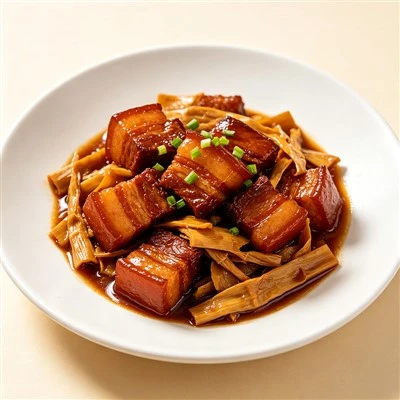
If you’re a restaurant owner, caterer, or even a home cook who wants to serve restaurant-quality braised pork belly, you don’t have to figure this out on your own. As a dedicated supplier, I work with businesses of all sizes to provide fresh, consistently braised pork belly that’s easy to reheat, plus tips tailored to your space and needs. Whether you’re a small cafe looking to add a new entree, a large caterer needing bulk orders for events, or a home cook planning a family gathering, I can help you get the most out of every batch.
Braised Beef Meat References: 1. Food and Agriculture Organization of the United Nations. (2019). Food Safety Guidelines for Reheating Perishable Meat Products. 2. Journal of Culinary Science & Technology. (2021). Thermal Processing Effects on Fat Texture and Flavor Retention in Braised Pork Dishes. 3. U.S. Food and Drug Administration. (2022). Safe Handling and Reheating of Refrigerated and Frozen Leftovers.
Yangzhou Jingsheng Food Co., Ltd.
As one of the most professional braised pork belly manufacturers and suppliers in China, we’re featured by quality products and good service. Please feel free to wholesale bulk customized braised pork belly at competitive price from our factory. Welcome to contact us for quotation and free sample.
Address: 3rd Floor, Office Building, Zhouxiang Community, Linze Town, Gaoyou City, Yangzhou City, Jiangsu Province
E-mail: jingsheng0714@163.com
WebSite: https://www.jingshengfood.com/
