If you’re in the sign game, you’ve definitely stared at a half-finished banner or a wall-mounted directional sign at 2 a.m. thinking, “Wait, do I have this right?” I’ve been on this side of the table for years—running a small, no-fuss thermal laminating film supply spot, fielding random DMs and calls from sign makers, print shops, even local café owners slapping together a pop-up menu sign. One question comes up more than all others: “Can thermal laminating film even be used for signs?” Thermal Laminating Film
I get why people ask. Laminating signs isn’t the same as slapping film on a dog-eared menu or a kid’s art project. Signs live outside (sometimes), get banged by door handles, rained on, or bake in direct sun. A lot of folks default to roll laminating film because that’s what they’ve seen at the big box supply stores, but thermal film’s been flying under the radar for sign use—so let’s cut the hype and get real.
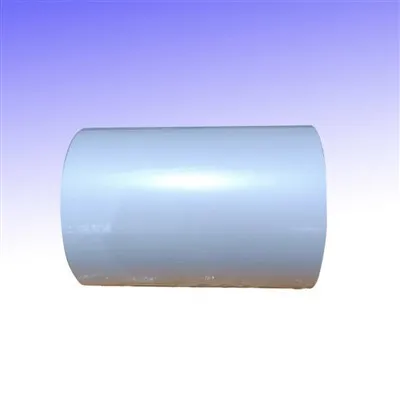
First, let’s break down what thermal laminating film actually is, because half the confusion comes from mixing it up with that peel-and-stick cold stuff. Thermal film is thin, plastic-based (usually PET or PVC, sometimes a blend) with a super thin heat-activated glue layer on one side. You run it through a thermal laminator—those hot, roller-based machines, not the kind with a sandwich press you keep in your desk—where the heat melts the glue, and pressure from the rollers bonds the film tight to whatever you’re laminating. No weird bubbles, no messy residue, no fighting with static like the cold stuff.
Now, the big question: is this good for signs? The short answer is yeah—if you pick the right type. Let’s talk about the stuff sign makers actually use, not the $5 pack you grab for lamination practice. There are a few key types I stock for sign clients, and each has a super specific use case:
Matte thermal film? That’s for indoor signs like retail floor displays, gallery wall labels, or salon menu signs. No glare, so if your sign’s going above a checkout counter where people are standing under track lights, they won’t squint at their own reflection. It’s scratch-resistant enough for people brushing past it, too—no scuff marks from grocery carts or purses grabbing at it.
Gloss thermal film? This is the workhorse for outdoor-facing signs. Wait, don’t just take my word for it—let’s chat durability. Gloss thermal film is usually UV-stabilized, meaning it blocks that harsh UVA/UVB light that fades ink within 6 months. I’ve had a client test a set of real estate signs laminated with my standard outdoor gloss film 3 years ago; they’re still bright, no yellowing, no peeling from rain or snow. Compare that to the cold roll film they used before—those started curling at the edges and faded to a weird brown tint in 18 months. Thermal film’s bond is way tighter, too. Because it’s heat-activated, the glue seeps into the ink’s pores (inkjet or laser, both work) instead of just sitting on top like cold adhesive. So if a sign gets bumped, the film doesn’t peel away from the print—unlike cold film, which often lifts at the corners when it’s cold or hot outside.
Then there’s clear textured thermal film, like anti-graffiti. That’s for warehouse signs, school door signage, or parking lot posts—places where people might tag or scratch the surface. The textured layer is tough enough to resist permanent markers and light scraping, and if someone does tag it? You can just peel the film off and re-laminate, no need to reprint the whole sign. I had a high school client use this for their football field signs last year; when they got tagged mid-season, they just ran the old film through the laminator again with a new sheet, and the sign was good as new. Way cheaper than replacing every sign.
But wait—thermal film isn’t for every sign. I get at least one call a week from someone who says, “Can I use this for my 10-foot vinyl banner?” Nope. Thermal laminators have a size limit, usually around 50 inches wide max. 10-foot banners need a roll laminator that runs the film as you feed the banner, not a hot-roller machine. That’s the biggest caveat for sign use: thermal film works best for signs that fit on your standard office or small shop laminator—think door signs, menu boards, directional wall signs, real estate riders, small retail window decals. If your sign’s bigger than that? Stick to the right roll laminating film, and I can even hook you up with folks who supply that too, no hard sell.
Another thing to get right: the print. You can’t just run a laser print or inkjet straight through the thermal laminator without prepping it. Laser prints have a toner layer that melts when heated, so that works great—no smudging. Inkjet? You need to let it cure fully (usually 24 hours) or use a pigment inkjet, not the cheap dye-based stuff. Dye-based ink will run when the heat hits it, so that’s a no-go. I always tell my sign clients: if you’re printing in-house, grab pigment inkjet. If you’re outsourcing the print, tell the shop to use a coated medium that works for thermal laminating. No need to overcomplicate it, just don’t skimp on ink type.
Now, let’s get real about the cost, because I know sign makers are always on budget. A 100-foot roll of 25-inch wide thermal film runs about $0.08 to $0.12 per linear foot, depending on the thickness. Cold roll film is similar, but wait—you’re not getting the same durability. If you’re laminating a sign that only needs to last 6 months (like a pop-up sale sign), cold stuff’s fine. But if it’s a permanent outdoor sign, or one that needs to hold up for a year+? Thermal film actually saves you money long-term because you don’t have to reprint it every few months. I had a local pizza place switch from cold film to my outdoor thermal film for their street-side sign last year. They used to reprint that sign every 8 months because of fading and peeling—now it’s still going strong, no touch-ups needed, and they saved like $300 in the first year alone.
I’ve heard a lot of myths about thermal film for signs, so let’s bust ‘em:
Myth 1: Thermal film wrinkles signs when you laminate. Nah—if you’re running it through a good hot laminator (not one that’s half-broken from the office supply closet) at the right temp for the film thickness, it lays flat. I tell new clients: always test a scrap first. Run a small piece of film through with a sample of your sign print, adjust the heat a little if it’s too hot or too cold, and you’re golden. No wrinkles, no bubbles, no mess.
Myth 2: It’s only for indoor stuff. I already mentioned the UV-stabilized gloss stuff—those are made for outdoor. I’ve had clients use it for storefront window signs that get direct sun all day, parking garage signs that get rained on weekly, even a couple of food truck menu signs that get tossed around on bumpy roads. They hold up way better than cold film.
Myth 3: You need a fancy industrial laminator. Nope. A 13-inch desktop thermal laminator works for small signs, a 25-inch or 30-inch shop laminator works for bigger stuff. I’ve got clients with both—small local print shops use a desktop for labels, medium sign shops use a 27-inch laminator for wall signs. You don’t need to drop $10k on a machine, just pick one that fits the size of signs you make.
Now, when should you not use thermal laminating film for signs? We covered the size limit—anything over 50 inches, go with roll laminating. If your sign is going to be outside and exposed to extreme, brutal weather (like being buried under snow for months in a cold climate, or blasted with salt air near the ocean 24/7)? Wait, even then, some of my heavy-duty outdoor thermal film works, but I’d recommend talking through it with me first. I can hook you up with a thicker, extra-stabilized film that holds up better in those harsh conditions. Also, if you’re making a temporary sign that only needs to last a week or two (like a event sign for a farmers market)? The cold peel-and-stick film is fine, cheaper, and no need to mess with a laminator.
Here’s the thing: sign makers are always looking for ways to make their work last longer without jacking up costs. Thermal laminating film isn’t a one-size-fits-all solution, but it’s a game-changer for most of the signs people make every day. I’ve had clients switch from cold film and never look back—because their signs don’t peel, fade, or look like garbage after a few months.
Look, I’m not here to sell you $1000 worth of film you don’t need. If you’re a sign maker, a café owner slapping together a daily special sign, a small business owner putting up directional signs for a event, and you’ve got a laminator (or can pick up a cheap used one) and pigment ink? Thermal laminating film is 100% worth testing. It’s not the fancy new kid on the block, but it works.
If you’re curious about what kind of film would work for your specific signs—whether it’s a wall menu, outdoor directional, anti-graffiti warehouse sign, whatever—hit me up. No hard sell, no jargon, just straight talk about what’ll hold up for your project. I’ve got samples if you want to test a piece, and I can help you pick the right thickness and type so you don’t waste money on something that’s not a fit. Don’t overcomplicate laminating signs—thermal film’s been doing this work for years, it just doesn’t shout about it like the other stuff. Let’s get your signs to look sharp and last.
Got questions about thermal laminating film for any project? Reach out to talk through your needs and get the right product for your work.
Thermal Laminating Film References:
- "Laminating Film Durability: UV Resistance and Adhesion for Outdoor Signage" – PrintFinishing Today, 2022
- "Thermal vs. Cold Lamination: Performance for Small Business Signs" – Sign Maker Monthly, 2023
- "Ink Compatibility for Thermal Lamination: Pigment vs. Dye Ink" – Graphic Industry Alliance, 2021
- "Signage Material Selection for Long-Term Outdoor Use" – National Association of Sign Professionals, 2022
- "Cost-Effective Lamination Solutions for Independent Sign Makers" – Small Business Sign Forum, 2023
Yantai Hongqing Packing Material Co., Ltd.
Yantai Hongqing Packing Material Co., Ltd. is one of the most professional thermal laminating film manufacturers and suppliers in China, also supports customized service. Welcome to wholesale advanced thermal laminating film made in China here and get quotation from our factory. Quality products and reasonable price are available.
Address: Eastern Industrial Park, Taocun, Yantai, Shandong Province, China
E-mail: cindy@ythongguang.cn
WebSite: https://www.hqingnewmat.com/
