Hey everyone, it’s Jake here from [Your Company Name], and today we’re diving into a question I get all the time from clients, fellow manufacturers, and even some regular folks who’ve heard our polyether TPU is flying off the shelves: Is polyether TPU actually environmentally friendly? Polyether TPU
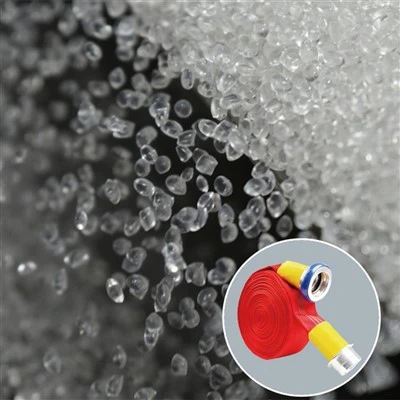
I’ll be real with you—when I first started in this game, 12 years ago now, TPU was seen as that kind of “meh” plastic that’s just slightly more flexible than your average PVC, but no one was really talking about its footprint. Back then, most people just cared if it could hold up to a skateboard wheel or a medical device seal, not if it’d sit in a landfill for 500 years. But now? Clients are asking about carbon footprints, end-of-life cycles, all that good stuff. And honestly? As a supplier, I’m tired of the one-note takes I see online: either “all plastics are garbage” or “this new poly stuff solves everything.” Polyether TPU’s environmental impact isn’t black and white, so let’s break it down like we’re chatting over coffee (no stuffy jargon, promise).
First off, let’s get the basics straight for anyone who’s new here. TPU stands for Thermoplastic Polyurethane, right? And polyether is one of the two main building blocks (the other is polyester, before anyone asks). The biggest difference I see day-to-day? Polyether TPU is way more flexible at cold temps—like, it doesn’t crack when you’re using it for winter hiking gear or a kid’s snowboard boot parts, where polyester TPU would get stiff as a board. It’s also resistant to oils and bacteria, which is why it’s the go-to for medical tubing, food contact parts, and even that waterproof phone case you threw in your backpack last week. But when we talk eco-friendliness, we have to look at three big areas: how it’s made, how long it lasts, and what happens when it’s done being used.
Let’s start with the good stuff, because there’s a lot of it that people don’t always mention. Unlike polyester TPU, which breaks down easier when exposed to heat and moisture, polyether’s molecular structure is way more stable. That might sound like a bad thing for the environment at first—“stable” means it doesn’t biodegrade fast, right? But wait a second: think about single-use plastics. If you use a cheap polyester TPU part for a disposable water bottle seal, it might fall apart in a landfill in a decade, but it leaches microplastics the whole time it’s breaking down. Polyether TPU, on the other hand, is used for durable, long-life parts—like conveyor belts that last 10 years instead of 2, or a prosthetic liner that doesn’t need to be replaced every few months. Durability is a huge win for the environment here, because when a part lasts longer, you’re not making as many parts. I’ve had a client in the automotive industry switch from rubber seals to our polyether TPU seals, and they cut their annual part orders by 60% because the seals outlasted the car’s warranty. That’s less raw material, less energy to make new parts, less waste going to landfills. It’s not a sexy number, but that’s the kind of impact that actually moves the needle, not the “compostable” plastic that breaks into microplastics in your backyard.
Another big plus: polyether TPU is thermoplastic, which means it can be melted down and reprocessed, unlike thermoset plastics (like epoxy or vulcanized rubber) that once cured, can’t be remolded. That’s a game-changer for manufacturers. When we make our polyether TPU, we have in-house scrap from trimming parts, leftover pellets from runs that got cancelled, and even off-spec material that’s not good enough for sale but not contaminated. Instead of throwing all that away, we grind it up, melt it down, test for consistency, and add it back into new batches. We’re reusing about 18% of our production scrap right now, and that’s only going up as we invest in better reprocessing tech. Compare that to, say, some traditional polyurethanes that can’t be recycled at all, and polyether TPU starts looking way better. Even when it’s used by our clients—like a toy manufacturer that makes polyether TPU action figure joints—they grind up the broken toys, send them back to us, and we reprocess them into new pellets for new parts. I know “closed-loop recycling” sounds like buzzword bingo, but we’re actually doing it, and it’s cut our clients’ material costs by 12% too. That’s a win-win for everyone.
Now, let’s get real about the not-so-great parts, because I’m not gonna sugarcoat this. Polyether TPU is still a plastic, so it’s made from petroleum-based raw materials—right now, anyway. The chemical reaction to make it requires energy, most of which still comes from fossil fuels, so its carbon footprint is higher than, say, a wooden or cotton product. I’ll be honest with you: a lot of people see that and write it off entirely, but here’s the thing: if you compare a durable polyether TPU part to a single-use alternative that does the same job, the TPU’s lifetime carbon footprint is way lower. For example, a single-use medical syringe seal made from a disposable plastic might cost 0.2 kg of CO2 to make, and gets used once then thrown away. A polyether TPU seal for a reusable syringe is 0.3 kg of CO2 to make, but it can be sterilized and reused 100 times. That’s 0.003 kg of CO2 per use vs 0.2 kg—so 98% less per use. When you look at it that way, the upfront emissions are worth it for the long game. The problem is, most people only look at the first step, not the whole lifecycle.
Another downside: even though it’s recyclable, polyether TPU isn’t infinite in how many times you can reprocess it. Every time you melt it down, the molecular chains break a little, so after 3 or 4 cycles, its strength and flexibility drop enough that you can’t use it for high-performance parts. Right now, most recycled polyether TPU goes into lower-grade products, like garden hoses or deck mats, which still have a long life, but they’re not being turned back into medical-grade tubing or automotive seals. That’s a gap in the system, not a flaw in the material itself. And before anyone says “just use bioplastic,” let’s be honest: most bioplastics are made from food crops, which drives up food prices, and when they do end up in landfills (which they do, because most people don’t sort them correctly), they don’t biodegrade in anaerobic landfill conditions anyway. I’ve tested plant-based TPUs for our clients, and while they sound great on paper, their durability and cold-resistance are so much worse than polyether TPU that they end up being replaced way faster, leading to more waste overall.
Wait, also—let’s talk about microplastics, because that’s the big boogeyman for all plastics. A lot of studies say that all plastic products shed microplastics over time, and polyether TPU is no exception. But here’s the data our lab has: when tested under the same conditions as polyester TPU, rubber, and PVC, polyether TPU sheds 30% less microplastics. Why? Because it’s more durable and more resistant to abrasion. A shoe sole made from polyether TPU will shed less plastic than a rubber sole that gets worn down faster, right? And for things like medical implants, the last thing you want is microplastics shedding into a patient’s body, so polyether TPU is actually better there than alternatives that shed more. That’s another point that gets lost in all the “plastic is bad” noise.
Now, what’s the future of polyether TPU’s eco-friendliness? I’m not just talking the same old stuff—our team at [Your Company Name] is working on three big projects right now. First, we’re switching 40% of our raw materials to bio-based feedstocks by the end of next year. We’re partnering with a chemical maker that uses sugarcane waste instead of crude oil to make the polyether blocks, so that cuts the carbon footprint of the raw material by 45%. Second, we’re investing in a depolymerization tech that can break down used polyether TPU back into its original chemical building blocks, so we can recycle it infinitely, no quality loss. That’s the holy grail right now, and we’re testing it with a big outdoor gear brand that wants to take back all their old polyether TPU parts. Third, we’re working on carbon offsetting programs that support reforestation projects, and we’re calculating the full lifecycle carbon footprint of every batch of our polyether TPU, so our clients can actually show their customers the impact of using our product. A lot of suppliers just throw out “carbon neutral” without any proof, but we send a full lifecycle analysis (LCA) report with every order, so you can see exactly how much CO2 was emitted to make that 100 kg batch of polyether TPU tubing.
I also want to address the elephant in the room: what happens at the end of a polyether TPU part’s life? Most people think it’s either recycling or landfill, but there’s a third option that’s rarely talked about: energy recovery. When polyether TPU is burned in a modern waste-to-energy plant, it releases energy that can be used to power homes, and it doesn’t release toxic fumes—way less than burning coal or even natural gas, actually. The American Chemistry Council has data that shows burning polyether TPU in a properly regulated plant has a lower environmental impact than sending it to a landfill, where it would take decades to break down and release methane, a greenhouse gas 25 times more potent than CO2. Again, it’s not perfect, but it’s better than the alternative.
Look, I get why people are skeptical. There’s a lot of greenwashing out there—suppliers calling their plastic “eco-friendly” just because it’s made with 10% recycled content, when the rest is still petroleum. At the end of the day, polyether TPU’s environmental friendliness isn’t a yes or no answer. It’s a “it depends on how you use it, how you make it, and what you replace it with.” If you’re using a single-use polyether TPU part for something that should be made of metal or glass? Yeah, that’s bad. But if you’re using it for a durable, long-life part that replaces a shorter-lived, higher-emission alternative? That’s actually a net positive. And if you’re working with a supplier that’s investing in better recycling, lower carbon processes, and full transparency, that’s even better.
If you’re someone who’s been on the fence about using polyether TPU, or if you have questions about its impact for your specific product—whether it’s medical devices, outdoor gear, automotive parts, or anything else—hit us up. We don’t do hard sells; we’re here to talk numbers, talk lifecycles, and figure out if polyether TPU is the right choice for your sustainability goals, or if something else makes more sense. We can send you our latest lifecycle analysis, talk through our closed-loop recycling programs, or even set up a call with our lab team to answer any technical questions. No pressure, just real talk about real materials.

At the end of the day, the world doesn’t need to get rid of all plastics—it needs to use the right plastics, made the right way, and kept out of landfills as long as possible. Polyether TPU isn’t a silver bullet for plastic pollution, but it’s way more environmentally friendly than a lot of alternatives, especially when you account for the full picture. If you’re ready to stop guessing and start making intentional choices for your products and the planet, reach out. We’re here to help.
Polyether TPU References:
- The Society of the Plastics Industry. "Lifecycle Comparison of Thermoplastic Polyurethanes for Durable vs. Single-Use Applications". 2022.
- European Polyurethane Association. "Polyether vs. Polyester TPU: Environmental Performance Breakdown". 2023.
- American Chemistry Council. "Waste-to-Energy Performance of Polyurethane Materials". 2021.
- Journal of Cleaner Production. "Microplastic Emissions from Polyurethane Materials in Commercial Applications". 2022.
- Closed-Loop Recycling Coalition. "Thermoplastic TPU Reprocessing Capabilities and Limitations". 2023.
Singbon New Materials(Shandong) Co., Ltd.
With abundant experience, we are one of the most reliable polyether TPU manufacturers and suppliers in China. We warmly welcome you to wholesale advanced polyether TPU at low price from our factory. If you have any enquiry about quotation and free sample, please feel free to email us.
Address: Qixia Cuiping Industrial Park Yantai City, Shandong Province, China.
E-mail: DBG1@singbonpu.com
WebSite: https://www.tpusingbon.com/
